Can an Environmental Inspection in Orange County Help Prepare Your Home for El Niño Storms?
Orange County homeowners know El Niño isn't just a forecast buzzword. It's a climate pattern that dumps serious rain, whips up damaging winds, and turns drainage systems into overflowing disasters. Most people focus on sandbags and tarps when the news starts talking storm surges. But the real vulnerabilities in your home? Those don't announce themselves until water's already seeping through the foundation or mold's colonizing your crawl space.
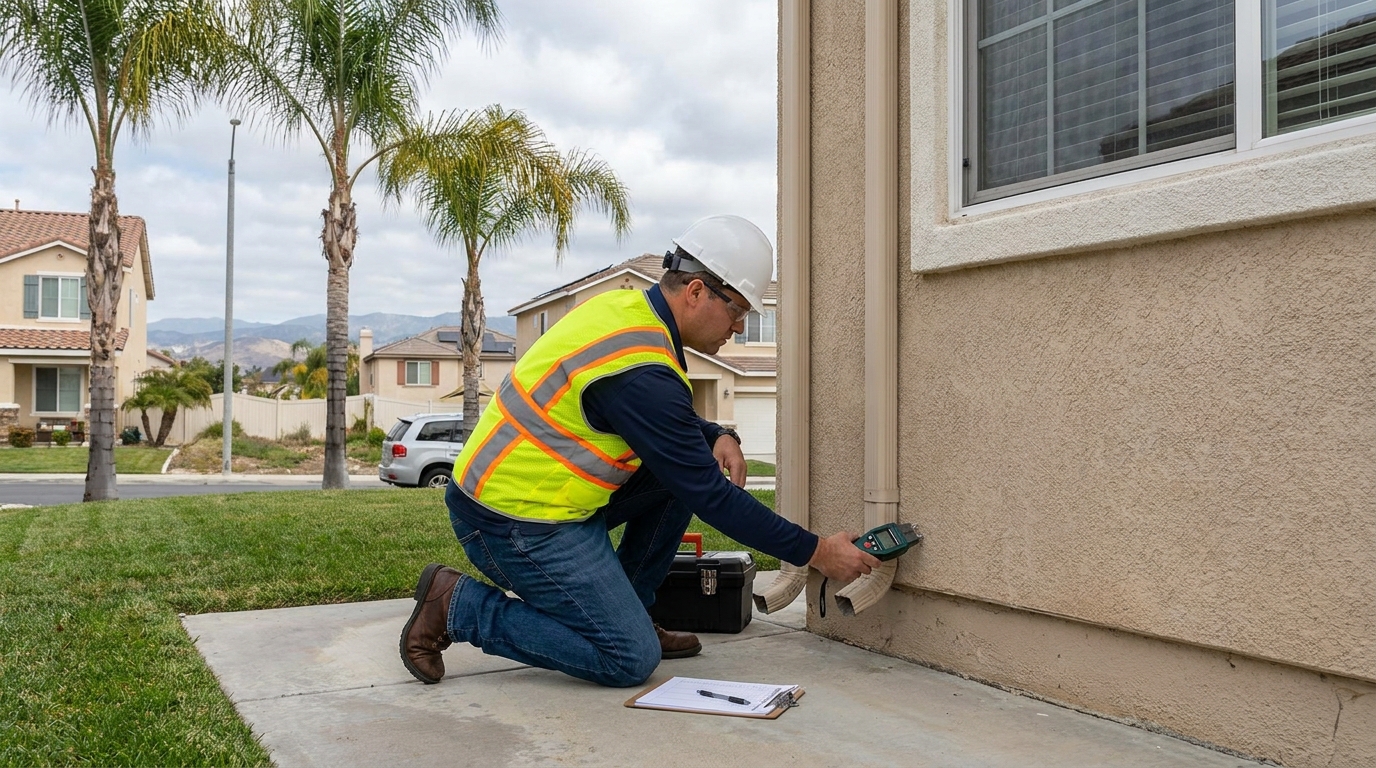
An environmental inspection won't stop the rain. But it will tell you exactly where your home is weak before the first storm rolls in. That's the difference between scrambling in a crisis and having a plan that actually holds up when the weather turns nasty.
El Niño Hits Different Here
Southern California gets enough grief for droughts. When El Niño flips the script, the region isn't always ready. Orange County's mix of older housing stock, hillside properties, and coastal exposure means storm prep isn't one-size-fits-all. Heavy rainfall overwhelms gutters, saturates soil on slopes, and finds every crack in your exterior envelope. Flash flooding isn't just a headline risk—it's a backyard reality.
The moisture doesn't disappear when the skies clear either. Lingering dampness breeds mold, degrades insulation, and turns minor leaks into structural headaches. If your home wasn't built or maintained with wet winters in mind, El Niño will find the gaps. And once water gets in, the damage compounds fast.
What Gets Checked During an Environmental Inspection
This isn't your standard home inspection. Environmental assessments dig into hazards that affect both immediate safety and long-term livability. Inspectors look for red flags that standard walkthroughs miss—especially the ones that turn catastrophic during heavy storms. The goal is to map out where your property is exposed and what needs fixing before the weather does the talking.
Here's what we're zeroing in on:
- Roof condition and flashing integrity to catch leaks before they start dripping into living spaces
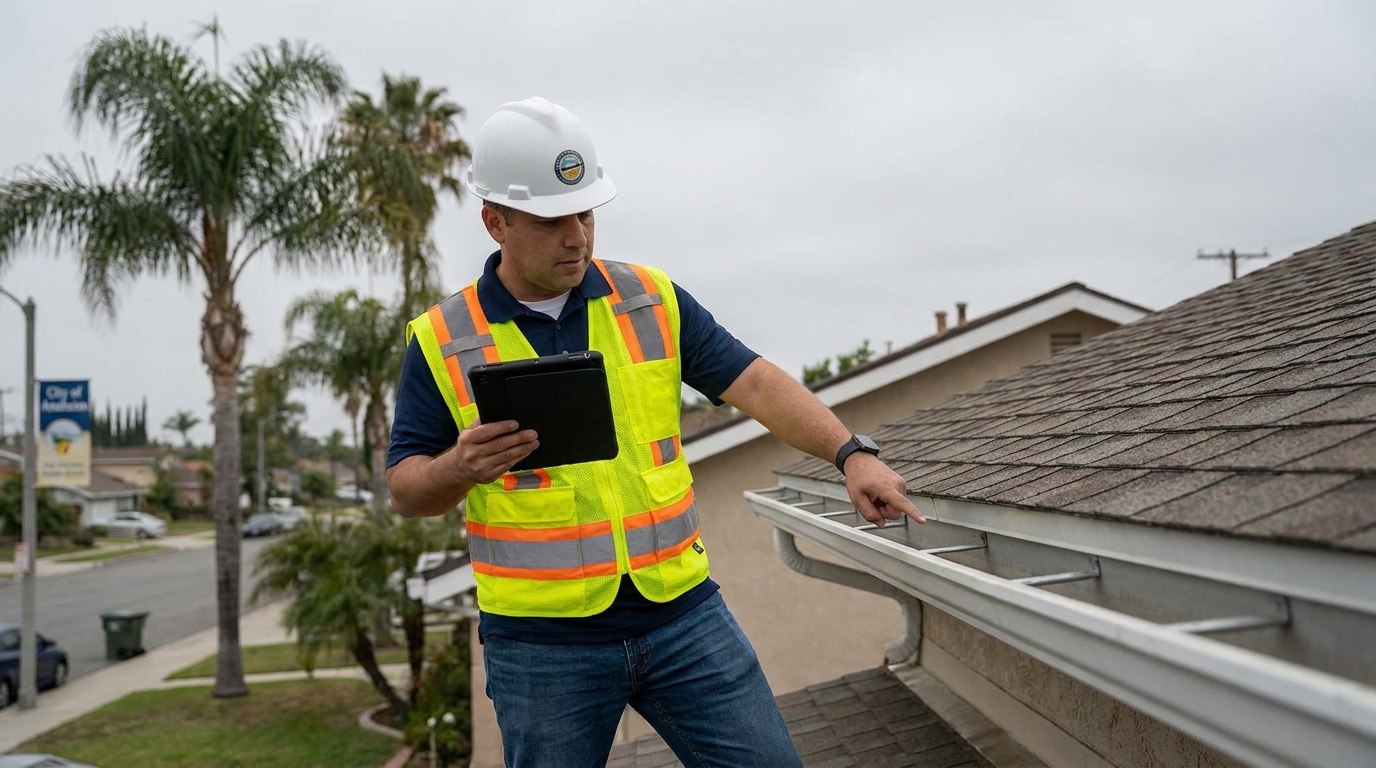
- Gutter systems and downspout placement to ensure water moves away from the foundation
- Grading and drainage flow around the property to prevent pooling and erosion
- Window and door seals that can fail under wind-driven rain
- Basement and crawl space moisture levels that signal future mold problems
- Hazardous materials like asbestos or lead that water damage can disturb
Where Homes Fail When Storms Hit
Most storm damage doesn't come from catastrophic hits. It comes from small failures that cascade. A clogged gutter overflows and soaks the fascia. A cracked seal lets water into the wall cavity. A poorly graded yard funnels runoff straight into the foundation. None of these sound dramatic until they compound into thousands of dollars in repairs and a mold problem that takes months to resolve.
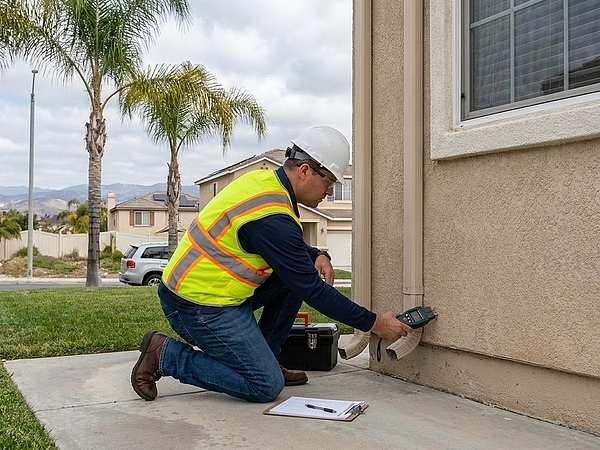
An environmental inspection spots these weak points while they're still fixable. Inspectors use moisture meters, thermal imaging, and visual assessments to identify trouble zones. If your drainage slopes the wrong way or your crawl space shows elevated humidity, you'll know before the first storm tests it. That's not paranoia—that's preparation that pays off.
Why Timing Matters More Than You Think
Scheduling an inspection after the forecast shows storms on the horizon? That's already too late for most repairs. Contractors get slammed during storm season, and materials run scarce. If your roof needs patching or your gutters need replacing, you want that done in dry weather with availability on your side.
The sweet spot is late summer or early fall. You get the assessment, prioritize fixes, and knock them out before rain season starts. If the inspection uncovers something major—like foundation cracks or a failing sump pump—you've got runway to address it without panic pricing or rushed work.
What You Get From a Solid Inspection Report
- Detailed findings on every vulnerability, ranked by urgency and risk level
- Specific repair recommendations tied to your home's construction and location
- Moisture readings and air quality data that establish a baseline for future checks
- Documentation that supports insurance claims if storm damage does occur
- Clear action steps that let you budget and plan repairs strategically
Mold and Moisture Don't Wait for Permission
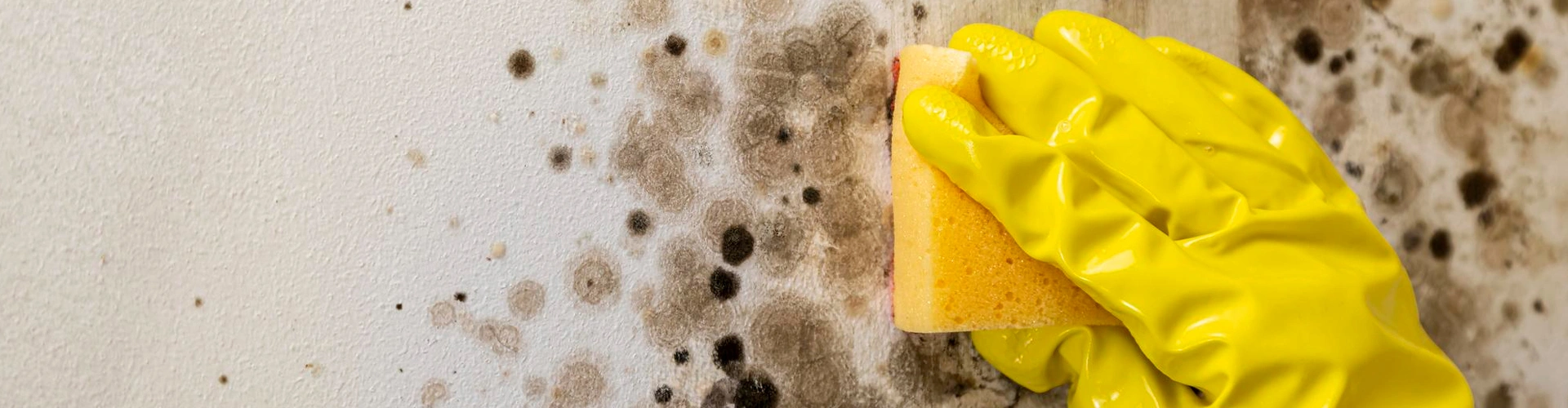
El Niño storms create perfect breeding conditions for mold. Elevated humidity, poor ventilation, and water intrusion are the trifecta. Once mold takes hold in wall cavities or under flooring, remediation gets expensive fast. An environmental inspection catches early signs—discoloration, musty odors, elevated moisture in hidden areas—before colonies establish themselves.
We've seen homes where a small roof leak went unnoticed for months, only to be discovered when black mold started creeping across ceilings during storm season. That kind of damage doesn't happen overnight, but it escalates quickly once conditions align. Catching it early means a repair instead of a rebuild. Professional mold inspection services can identify contamination before it becomes a major health hazard.
Older Homes Carry Hidden Storm Risks
If your home was built before modern building codes tightened up waterproofing and drainage standards, you're starting from a disadvantage. Older properties often have outdated flashing, insufficient vapor barriers, and drainage systems that were never designed for the kind of rainfall El Niño delivers. Add in potential asbestos insulation or lead paint, and water damage can release hazards you didn't know existed.
An inspection tailored to older construction identifies these legacy risks. Inspectors know what to look for in pre-1980s builds and how storm exposure interacts with aging materials. If upgrades are needed, you'll get a roadmap that prioritizes safety and storm resilience.
Picking an Inspector Who Knows Orange County
Not all inspectors are created equal, and local expertise matters. Orange County's mix of coastal fog, hillside terrain, and variable soil conditions requires someone who understands regional weather patterns and common construction practices. We look for certified professionals with storm prep experience and the tools to back up their findings—thermal cameras, hygrometers, and a track record of thorough reports.
Ask for references. Check credentials. Make sure they're not just checking boxes but actually assessing your home's unique vulnerabilities. A good inspector will walk you through the findings, explain what's critical versus what can wait, and give you confidence that your home is as ready as it can be.
How This Saves Money When It Counts
- Prevents emergency repairs during storms when contractor rates spike and availability tanks
- Reduces insurance claims by catching and fixing issues before damage occurs
- Avoids mold remediation costs that can run into the tens of thousands
- Protects property value by maintaining structural integrity and indoor air quality
- Gives you leverage with contractors by providing a clear scope of work upfront
Insurance Companies Notice Proactive Homeowners
Some insurers reward homes that undergo regular inspections and maintenance with lower premiums or faster claims processing. Documentation from an environmental inspection shows you're managing risk, not ignoring it. If storm damage does occur, having a pre-storm baseline assessment on file can streamline claims and reduce disputes over what was pre-existing versus storm-related.
It's not just about saving money on premiums. It's about being taken seriously when you file a claim. Insurers are more responsive to homeowners who can demonstrate they did their homework.
What Happens If You Skip the Inspection
- Hidden leaks turn into major water damage during the first heavy rain
- Foundation issues go unnoticed until cracks widen and settling accelerates
- Mold spreads unchecked, requiring costly remediation and potential health impacts
- Emergency repairs eat up savings and force reactive decisions under pressure
- Property value drops if buyers discover unresolved storm damage during future sales
Storm Prep Without the Guesswork
El Niño doesn't care if you're ready. It shows up on its own schedule and tests every weak point your home has. An environmental inspection removes the guesswork and replaces it with data. You'll know where water will try to get in, what systems are at risk, and which repairs matter most. That's not fear-mongering—that's the clarity we all need when the forecast starts looking rough.
We've guided enough Orange County homeowners through storm prep to know what separates homes that weather El Niño from homes that get wrecked by it. The difference isn't luck. It's preparation backed by a professional assessment and the will to act on what it reveals. Your home is either ready, or it's waiting to fail. An inspection tells you which one you're dealing with—and gives you time to fix it before the storms decide for you.
Let's Get Your Home Ready for the Next Storm
We know how unpredictable El Niño can be, but with the right preparation, we can face the season with confidence. If you're ready to protect your home and avoid costly surprises, let's take the next step together. Call us at 909-994-1893 or contact us today to schedule your service and make sure your home is storm-ready.
‹ Back
Recent Posts
-
Could Hidden Bacteria Be Lurking in Your Anaheim Home?
October 5, 2026
-
When Should Older Orange County Homes Be Tested for Lead Paint?
September 21, 2026
-
Should You Test Your Indoor Air After a Home Remodel in Anaheim?
September 7, 2026
-
-