

Is Your Orange County Home Triggering Allergy Symptoms Indoors?
Most Orange County homeowners blame the jacarandas or the Santa Ana winds for their runny noses and itchy eyes. But the real culprit might be sitting in your living room, hiding in your HVAC ducts, or breeding in the dark corners of your bathroom. Indoor allergens don't wait for pollen season — they operate year-round, and if you're not paying attention, they're building up faster than you think.

Your home should feel like a refuge. Instead, for too many of us, it's become a low-grade war zone for our sinuses. And the longer we ignore the sources, the worse the symptoms get. If you're waking up congested or feeling worse after a few hours inside, your indoor environment deserves a closer look.
What's Actually Living in Your House
We like to think our homes are clean. We vacuum, we dust, we wipe down counters. But allergens don't care about appearances. They thrive in the exact conditions most Orange County homes provide — moderate humidity, carpeted floors, upholstered furniture, and pets that shed like it's their job.
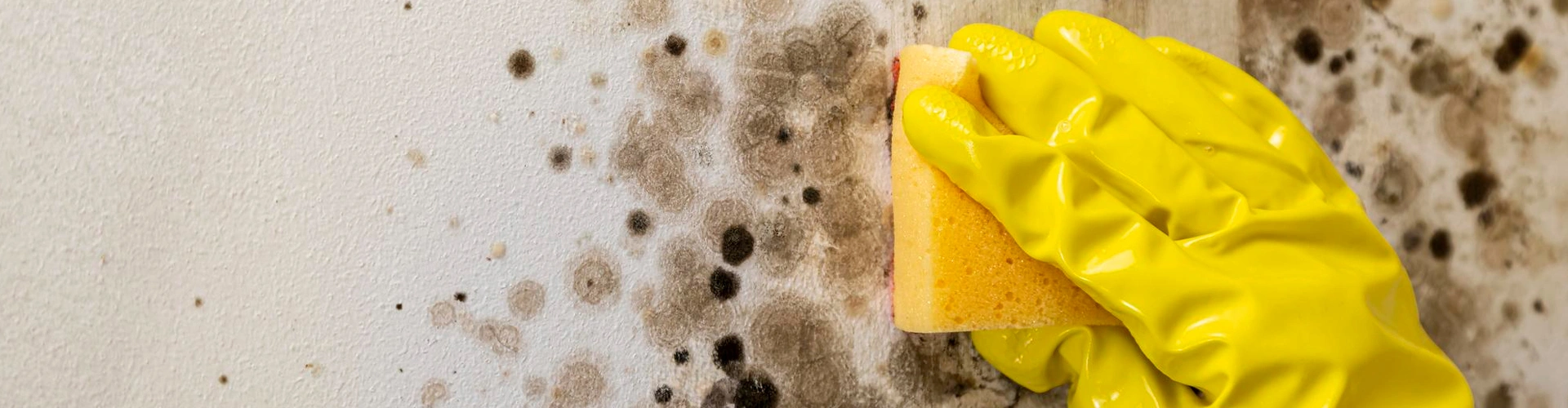
Dust mites are the invisible offenders. They don't bite, they don't spread disease, but their waste becomes airborne and lands in your lungs every time you sit on the couch or fluff a pillow. Mold loves moisture, and even if you don't see it, it's growing behind tile, under sinks, and inside air conditioning units. Pet dander sticks to everything — walls, curtains, even your clothes. And then there are the VOCs from cleaning sprays, air fresheners, and pressed-wood furniture that quietly irritate your airways without you noticing.
- Dust mites concentrate in bedding, carpets, and any fabric that doesn't get washed weekly
- Mold spores multiply in bathrooms, kitchens, and anywhere moisture lingers
- Pet dander floats through the air and settles on every surface, even in rooms your pet never enters
- Chemical irritants off-gas from household products and building materials
- Pollen tracked in from outside clings to shoes, bags, and clothing
Your Symptoms Aren't Just Seasonal
If your allergies flare up every time you walk through the door, that's not coincidence. Indoor triggers don't follow a calendar. They accumulate quietly, and by the time you notice, you've already been breathing them in for weeks.
The telltale signs are consistent. Sneezing fits that start the moment you settle in. Eyes that water for no reason. A scratchy throat that won't quit, even after drinking water. Coughing at night that disrupts sleep. Skin that itches or breaks out without explanation. Sinus pressure that makes you feel like you're underwater. These aren't random annoyances — they're your body's way of flagging a problem.
- Sneezing and nasal congestion that worsen indoors
- Watery, itchy eyes that calm down when you step outside
- Persistent cough or throat scratchiness, especially at night
- Wheezing or tightness in the chest after being home for a while
- Skin irritation or eczema flare-ups linked to time spent indoors
Orange County Homes Have Unique Vulnerabilities
The coastal climate here isn't doing us any favors. Humidity hovers in that sweet spot where mold thrives and dust mites multiply. Homes near the water deal with even more moisture creeping into walls and crawl spaces. And because we run air conditioning year-round, we're constantly recirculating the same air — and the allergens trapped in it.
Pets are everywhere in Orange County, and while we love them, they contribute heavily to indoor allergen loads. Add in older homes with outdated HVAC systems, and you've got a perfect storm. Even newer builds aren't immune if ventilation wasn't prioritized or if materials were chosen for cost over air quality.
How to Reclaim Your Air Quality
Getting control of indoor allergens isn't about one big fix. It's about layering small, consistent actions that add up. You need to manage humidity, eliminate breeding grounds, and filter out what's already floating around.
Start with moisture control. If your indoor humidity creeps above fifty percent, you're inviting trouble. Dehumidifiers and exhaust fans aren't optional — they're essential, especially in bathrooms and kitchens. Fix leaks the day you notice them, not next month. Clean your HVAC filters monthly, and upgrade to HEPA filters if your system allows it.
- Keep indoor humidity under fifty percent with dehumidifiers and proper ventilation
- Wash bedding weekly in hot water to kill dust mites
- Vacuum with a HEPA filter to trap particles instead of scattering them
- Wipe surfaces with damp cloths instead of dry dusting
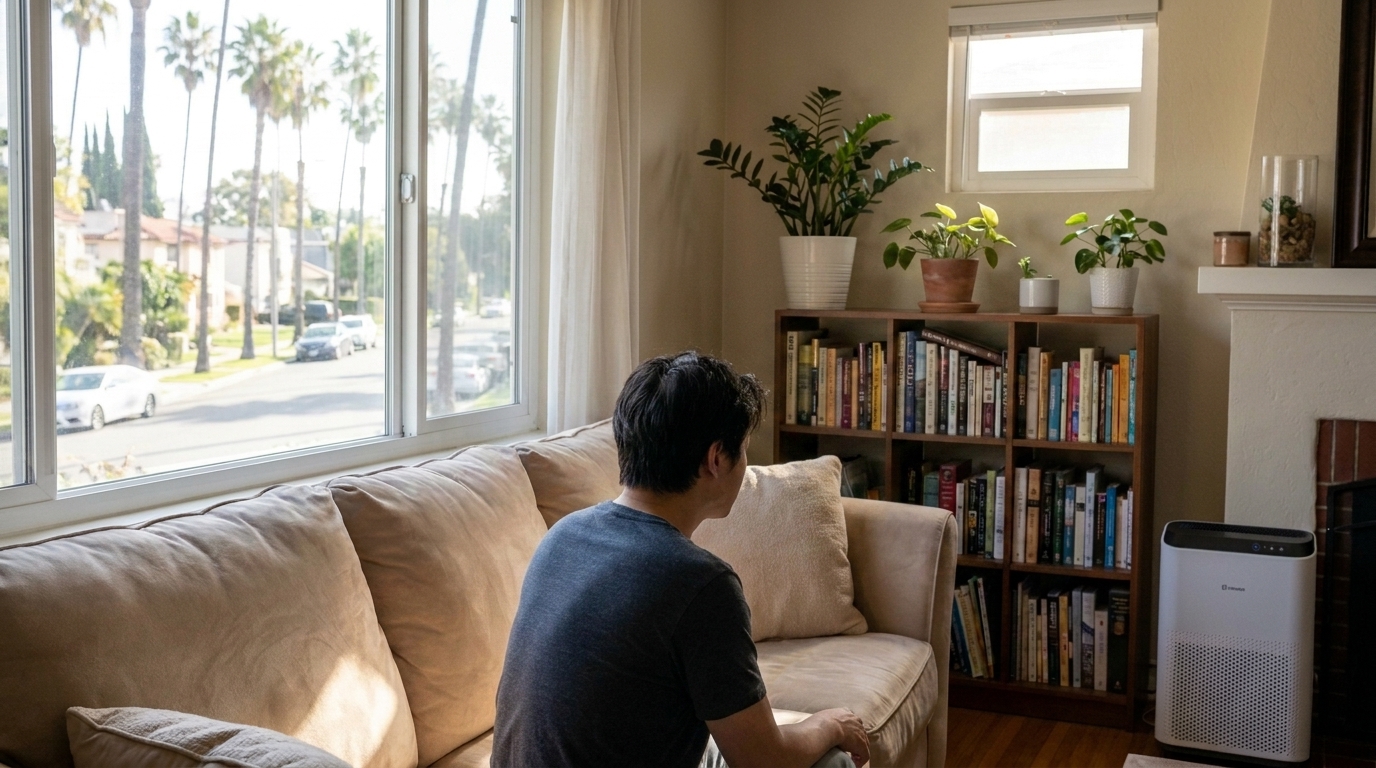
- Use air purifiers in high-traffic rooms like bedrooms and living areas
Mold Doesn't Announce Itself
You might not see mold, but that doesn't mean it's not there. It grows in hidden spaces — behind drywall, under flooring, inside air ducts. If you smell mustiness or notice discoloration around vents or baseboards, that's your cue. Surface cleaning helps with visible patches, but deeper infestations need professional mold inspection.
Preventing mold is cheaper and easier than removing it. Run exhaust fans during and after showers. Don't let wet towels sit. Check under sinks for slow leaks. And if your home has poor airflow, crack a window or add a fan. Stagnant air is mold's best friend.
Pets Require Extra Effort
We're not suggesting you rehome the dog. But if you're allergic and sharing space with pets, you need to be strategic. Bathing and brushing them regularly cuts down on loose dander. Keeping them out of bedrooms reduces nighttime exposure. Washing pet bedding frequently helps, too.
Air purifiers placed near where your pet spends the most time can capture airborne dander before it spreads. And vacuuming more often than you think necessary is the price of admission. If you're only doing it once a week, double it.
- Bathe and groom pets weekly to minimize shedding and dander
- Keep pets out of bedrooms and off furniture when possible
- Wash pet bedding and toys in hot water regularly
- Use HEPA air purifiers in rooms where pets spend the most time
- Vacuum carpets and upholstery at least twice a week
When DIY Stops Working
If you've done everything right and you're still waking up stuffy, it's time to bring in professionals. Professional allergen assessment can uncover hidden mold, duct contamination, or ventilation failures you wouldn't spot on your own. Allergy testing identifies your specific triggers so you're not guessing.
Sometimes the problem isn't your habits — it's the house itself. Old insulation, leaky ductwork, or poorly sealed windows can undermine every other effort. A professional can tell you where to focus your energy and money so you're not throwing solutions at the wrong problem. Water damage assessment can reveal moisture issues that contribute to mold and allergen growth, while post-mold verification service ensures remediation efforts were successful. For homes with HVAC concerns, particle assessment can measure what's actually circulating through your air.
Clean Air Isn't a Luxury
Your home should support your health, not sabotage it. Indoor allergens are fixable, but only if you acknowledge they exist and commit to addressing them. Humidity control, regular cleaning, smart ventilation, and professional help when needed — these aren't burdens. They're investments in breathing easier and feeling better every single day you spend under your own roof. If you're ready to identify the exact sources of your indoor allergy symptoms, consider reaching out to schedule service with qualified professionals who can provide comprehensive testing and actionable solutions.
Breathe Easier in Your Own Home
We all deserve to feel comfortable and healthy indoors, free from the constant irritation of hidden allergens. If you're tired of guessing what's causing your symptoms, let's work together to uncover the real sources and restore your home's air quality. Give us a call at 909-994-1893 or schedule service today to start your path toward a fresher, healthier home environment.
‹ Back
Recent Posts
-
Should You Test Your Indoor Air After a Home Remodel in Anaheim?
September 7, 2026
-

-

-

Should Child Care Centers in Anaheim Test Their Water?
July 20, 2026
-
Can Dust in Orange County Homes Point to Asbestos?
July 6, 2026