

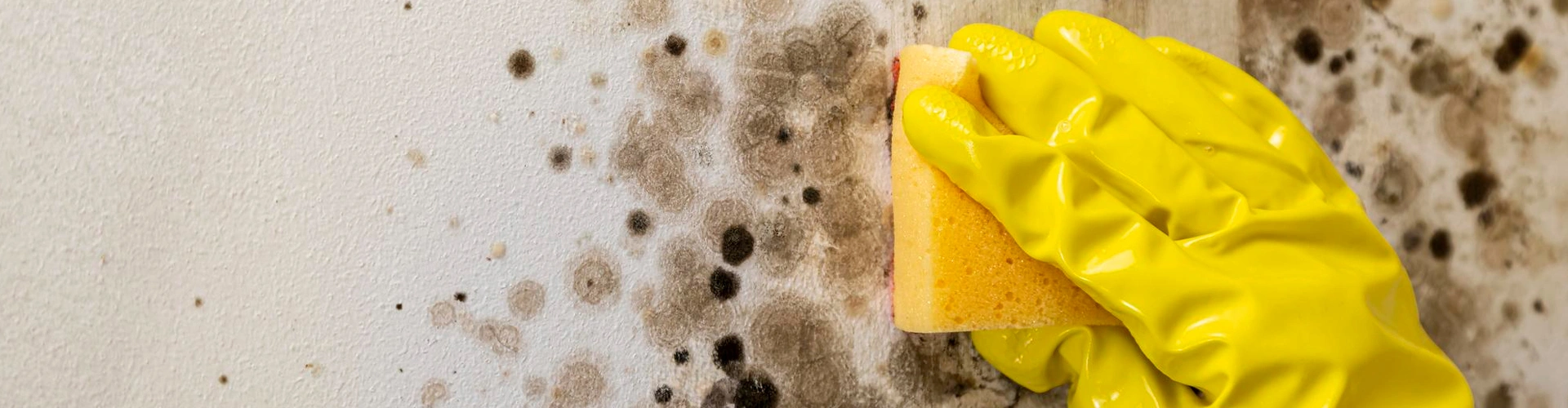
When Should Older Orange County Homes Be Tested for Lead Paint?
Most homeowners in Orange County focus on curb appeal and square footage. But if your house went up before 1978, there's another layer worth paying attention to — one that doesn't show up in listing photos. Lead paint isn't theoretical. It's sitting on trim, windowsills, and door frames in thousands of homes across the county. And if you're not checking for it before you renovate, move in, or let your kids crawl around those baseboards, you're taking a gamble you don't need to take.
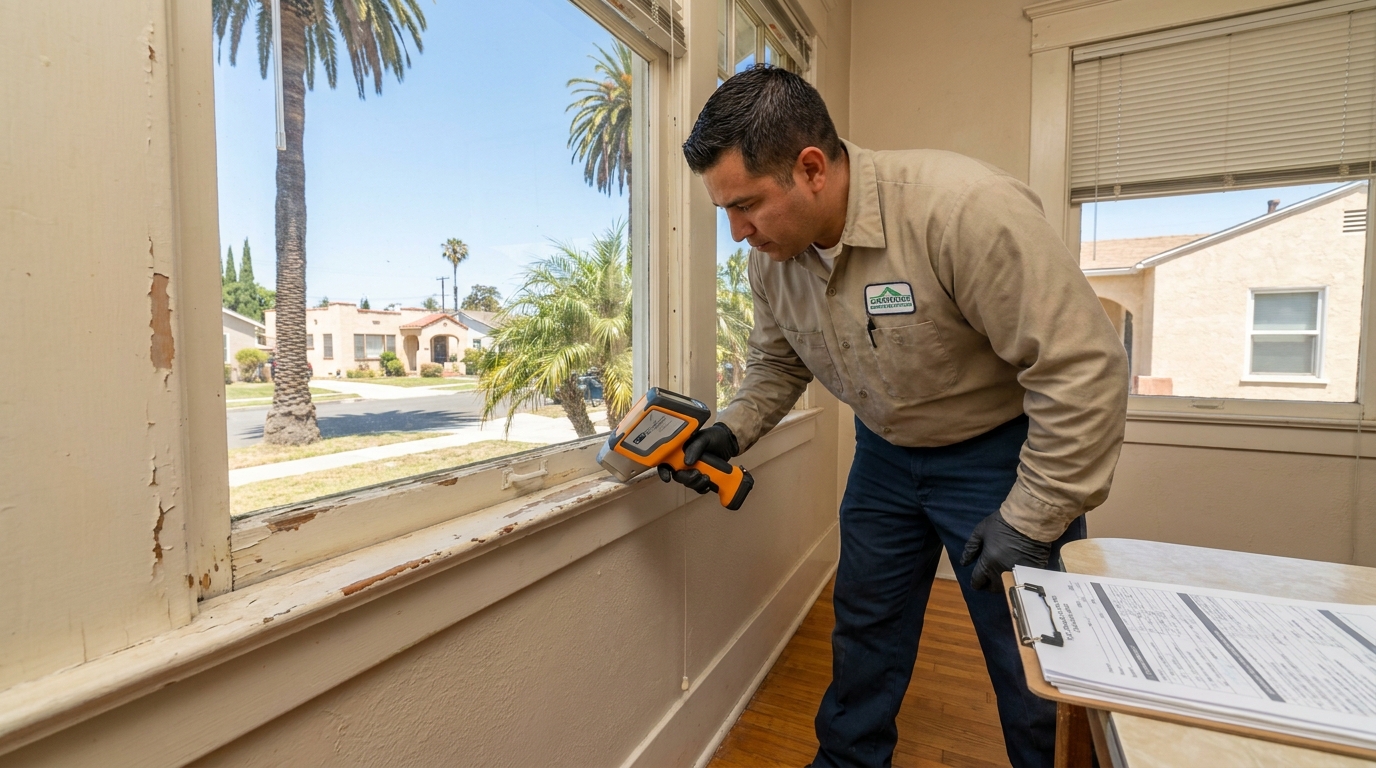
Here's what matters. Lead becomes a problem when it breaks down — when paint chips, cracks, or gets sanded into dust. That's when it moves from harmless coating to airborne hazard. Testing isn't about paranoia. It's about knowing what you're dealing with before you disturb it. And in older Orange County neighborhoods where charm comes standard and original finishes are part of the appeal, that knowledge is everything.
The Real Danger Isn't the Paint Itself
Lead-based paint was everywhere before the federal ban in '78. Manufacturers loved it because it lasted longer and covered better than anything else on the market. Homeowners didn't know any better. Now we do. The issue isn't that lead exists in your walls — it's that deterioration turns it into dust, and dust gets inhaled. Kids under six are hit hardest. Their developing brains absorb lead faster, and the damage sticks. Pregnant women, pets, anyone spending serious time in the house — they're all vulnerable once that paint starts breaking down.
You can't see lead. You can't smell it. But you can test for it, and you can contain it before it becomes a medical issue or a legal mess. The question isn't whether older homes have lead paint — most do. The question is whether you're going to find out on your terms or someone else's.
When Testing Becomes Non-Negotiable
There are moments when lead paint testing stops being optional and starts being essential. Ignore them, and you're either putting people at risk or setting yourself up for expensive fixes later. These situations demand action, not procrastination.
- Before you touch a wall during remodeling: Sanding, scraping, or demo work releases lead dust faster than anything else. Test first, contain second, renovate third.
- When paint is visibly failing: Peeling, chipping, or chalking surfaces are red flags. If the paint's coming apart, lead is coming with it.
- Before closing on a pre-1978 home: Sellers have to disclose known hazards, but disclosure doesn't equal testing. Get your own results before you sign.
- If young children or expecting mothers live there: This isn't theoretical risk. It's direct exposure to populations that can't afford the consequences.
- When preparing to sell or lease: Testing early keeps you ahead of buyer demands and avoids last-minute surprises that kill deals.
How the Testing Actually Works
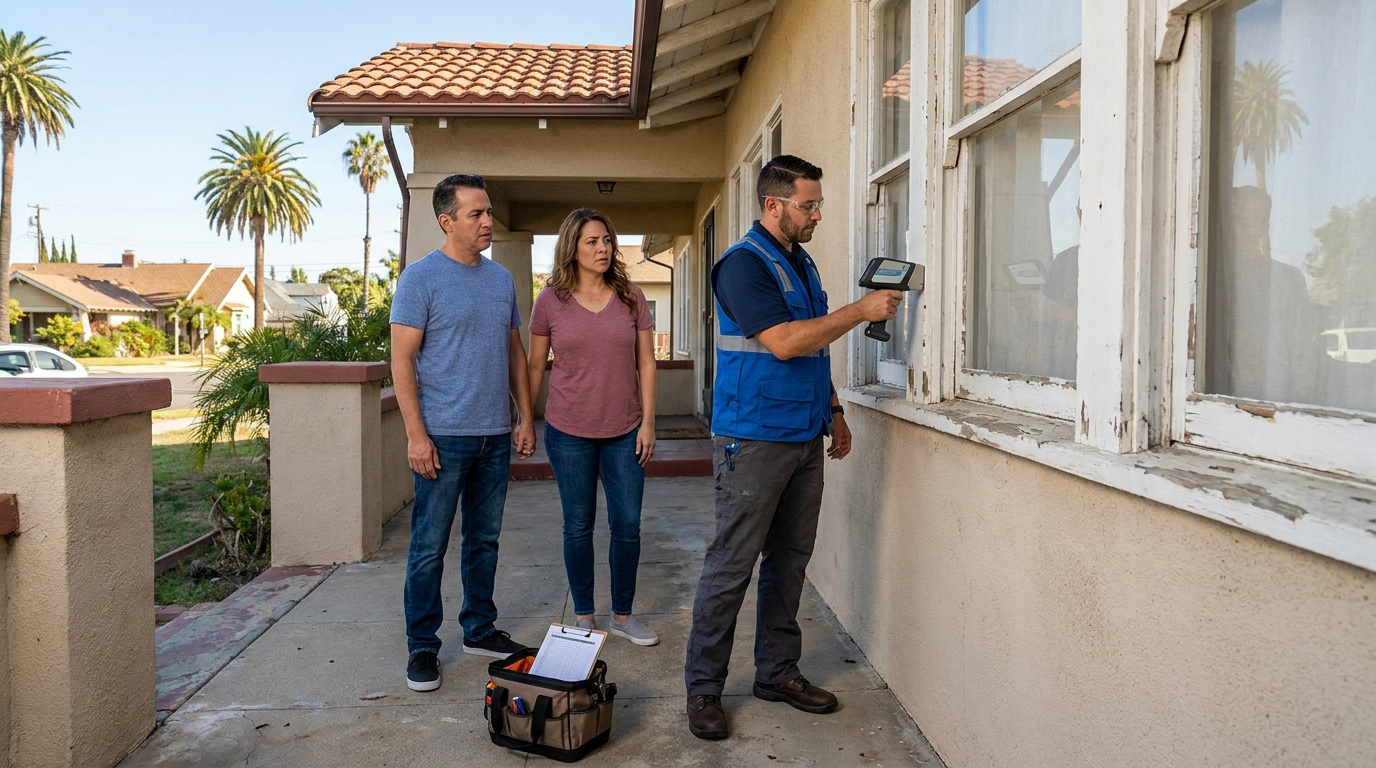
Professional inspectors use X-ray fluorescence tools that scan painted surfaces without damaging them. They can also pull samples for lab analysis if precision matters. DIY test kits exist, but they're inconsistent and often miss low-level contamination. In Orange County, certified lead inspectors know which homes are higher risk and which surfaces tend to hide the worst problems. They'll give you a report that tells you exactly where lead lives and how much of it you're looking at.
If you're buying, selling, or just trying to sleep better at night, skip the guesswork and bring in someone who does this for a living. The cost of testing is a fraction of what you'll spend if lead dust ends up in the air or in a child's bloodstream. Understanding what happens during a lead paint inspection can help you prepare for the process and know what to expect from start to finish.
What Happens After You Get Results
Finding lead doesn't mean tearing the house down. If the paint is intact and nobody's disturbing it, you can leave it alone. Encapsulation and professional abatement are both options if removal is necessary. What you can't do is sand it yourself, toss the debris in the trash, and hope for the best. Improper handling makes the problem worse — and it's illegal in California.
Certified abatement contractors know how to contain dust, protect occupants, and dispose of materials according to state and federal regulations. If you're planning work that involves lead-painted surfaces, hire someone licensed to handle it. This isn't a corner you want to cut.
Orange County Resources You Should Know About
California and federal law require disclosure of known lead hazards in homes built before 1978. The Orange County Health Care Agency offers guidance, referrals, and sometimes financial assistance for lead hazard control in qualifying properties. You're not on your own here — there are programs designed to help homeowners manage this exact issue.
- Mandatory disclosure forms: Sellers and landlords must provide information about lead-based paint and any known hazards.
- Certified inspector directories: The state maintains lists of licensed professionals who can test and remediate lead paint.
- Hazard control grants: Some homeowners qualify for financial help to address lead risks, especially if children are present.
- Renovation rules: Contractors working on pre-1978 homes must follow EPA lead-safe practices or face penalties.
Common Mistakes That Make Things Worse
Plenty of homeowners try to handle lead paint on their own, thinking it's just another weekend project. It's not. Sanding without containment spreads lead dust throughout the house. Using a regular vacuum pulls particles into the air instead of trapping them. Mixing renovation debris with household trash can contaminate landfills and violate hazardous waste laws.
Then there's the assumption that newer paint layers solve the problem. They don't. Lead underneath still becomes a hazard the moment you drill, sand, or scrape. And if you're selling without testing, you're opening yourself up to buyer lawsuits down the line. The mistakes are avoidable — but only if you know the rules and follow them.
Why Waiting Is the Wrong Move
Testing takes a few hours. Results come back in days. The information you get protects your family, speeds up transactions, and keeps you compliant with disclosure laws. Waiting until someone gets sick or a buyer demands testing at the last minute just adds stress and expense to a situation you could've controlled from the start.
Orange County's older homes are beautiful, well-built, and full of character. They're also more likely to have lead paint than newer construction. That's not a dealbreaker — it's just a fact. And facts are easier to manage when you know them upfront. If your home went up before '78, or if you're about to disturb painted surfaces for any reason, professional lead testing is the move. It's quick, it's affordable, and it keeps everyone safe while you enjoy the home you're building or buying. CES Inspection provides comprehensive inspection services throughout Orange County, and you can easily schedule service to address any concerns about lead paint or other environmental hazards in your home.
Let's Make Your Home Safer Together
We all want peace of mind when it comes to our families and our homes. If you’re ready to take the next step and ensure your Orange County home is free from hidden lead hazards, let’s talk. Give us a call at 909-994-1893 or schedule your service today to get started with a lead paint inspection you can trust.
‹ Back
Recent Posts
-
When Should Older Orange County Homes Be Tested for Lead Paint?
September 21, 2026
-
Should You Test Your Indoor Air After a Home Remodel in Anaheim?
September 7, 2026
-
-
-
Should Child Care Centers in Anaheim Test Their Water?
July 20, 2026