

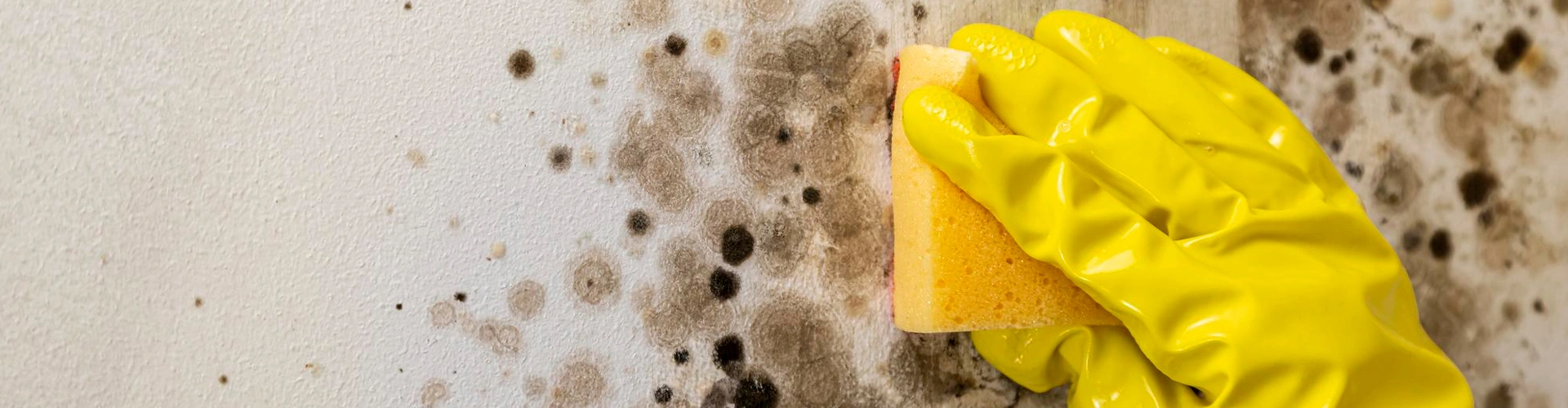
Is Post-Mold Verification the Last Step Before Moving Back Into Your Anaheim Home?
Most homeowners think mold remediation ends when the cleanup crew packs up their equipment. Work's done, problem solved. But the testing lab sees something different — and if you don't, you're gambling with your health. The remediation might be complete, but that doesn't mean your home is cleared for reentry. Especially if spore counts are still elevated or moisture sources haven't been addressed.
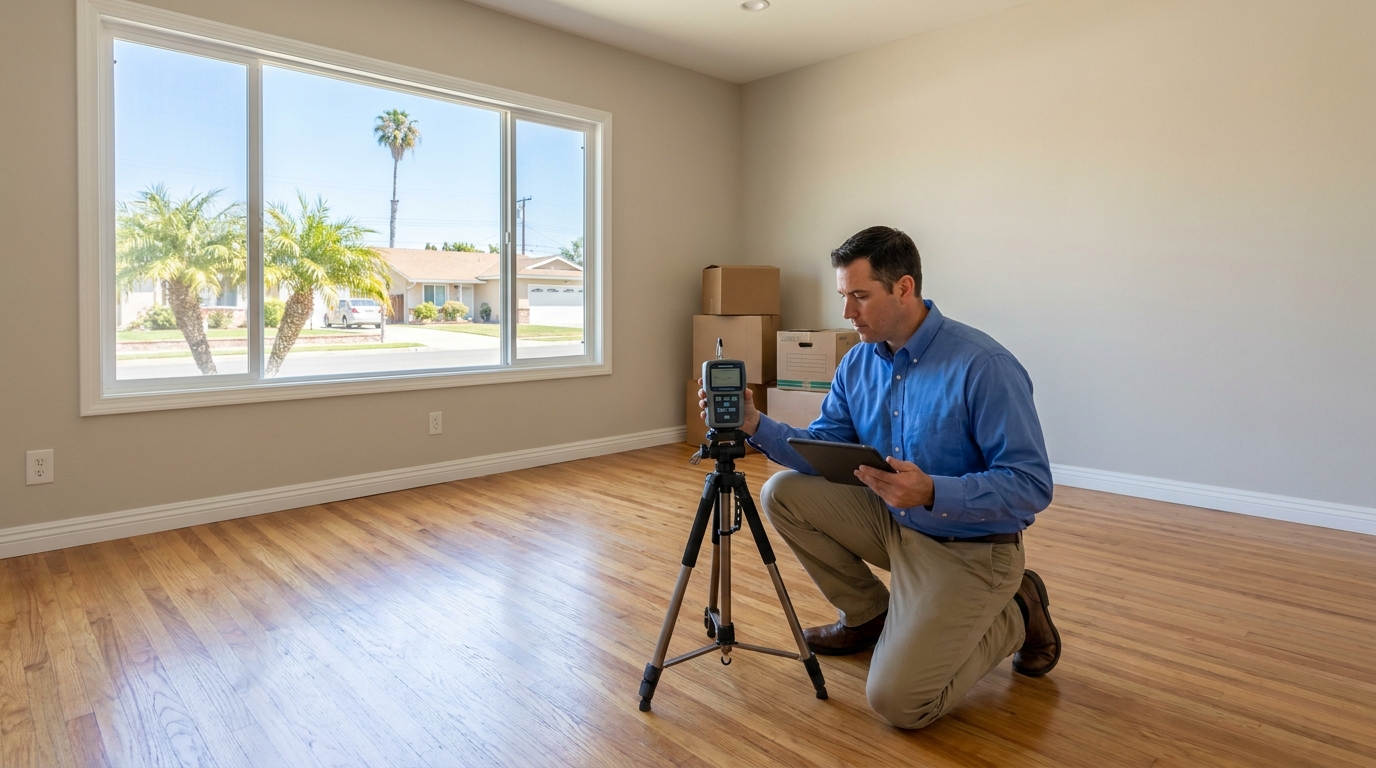
Here's the reality. If you've invested time and money into fixing a real contamination issue, that's smart. Just don't assume those efforts are enough without proof. Every air sample should be documented. Every clearance certificate needs backup. And every move-in decision should be grounded in what the lab report shows — not just what the invoice says was completed.
When Verification Isn't Optional
Nine times out of ten, post-mold verification is the checkpoint that separates remediation from reoccupation. You clear the contaminated materials, you seal the source — that's progress, not permission. The lab doesn't care how thorough the crew was, only whether spore levels returned to baseline and whether hidden growth was left behind.
But if testing gets skipped? Different outcome. Residual mold can resurface as airborne exposure, especially if the verification didn't confirm moisture levels dropped or containment barriers worked. We've seen this unfold in real scenarios across Anaheim properties. Plenty of families thought clearance was automatic — it wasn't. And when spore counts stay high, health complaints start appearing even though the visible mold is gone.
What Actually Gets Tested
You can't declare success based on what you removed — that's just tracking demolition. But the environmental data? That's what proves safety. Independent inspectors generally collect air and surface samples to verify contamination levels dropped to acceptable ranges.
Here's where that verification covers the most ground:
- Air sampling measures airborne spore concentrations compared to outdoor baselines and determines if remediation reduced indoor levels
- Surface sampling checks whether cleaned areas still harbor viable mold colonies that could reactivate with moisture exposure
- Moisture readings confirm humidity and material saturation dropped below thresholds that support mold growth
- Visual inspection identifies any overlooked contamination zones or failed containment barriers that need re-treatment
- HVAC assessment ensures ductwork and air handlers weren't cross-contaminated during the remediation process
Why Some Homes Fail Clearance
Want to pass verification on the first try? You'll need to prove the remediation was comprehensive — and that moisture control measures actually stuck.
Labs flag three common failure points:
- Elevated spore counts indicating incomplete removal or disturbed colonies that weren't contained properly
- Persistent moisture in building materials showing the source wasn't eliminated, just the symptom
- Cross-contamination evidence where clean zones picked up spores during demolition or disposal activities
Miss one of those, and you're scheduling a second round of remediation. Even if the visible mold disappeared from sight. And if any contaminated materials stayed behind? Those areas stay off-limits too. No partial clearances for that back bedroom, even if it's the only livable space right now.
Repairs Come After Clearance
Passing verification doesn't mean your home is move-in ready. You'll still need to rebuild what remediation tore out.
Here's what restoration typically includes:
- Drywall replacement in areas where contaminated sections were removed during remediation
- Insulation reinstallation once moisture barriers and vapor controls are verified functional
- Flooring repairs or replacement if subfloors were exposed or treated during the cleanup process
- Paint and finish work to restore interior aesthetics after structural repairs are completed
- HVAC duct cleaning or replacement if airflow systems were impacted by mold spread
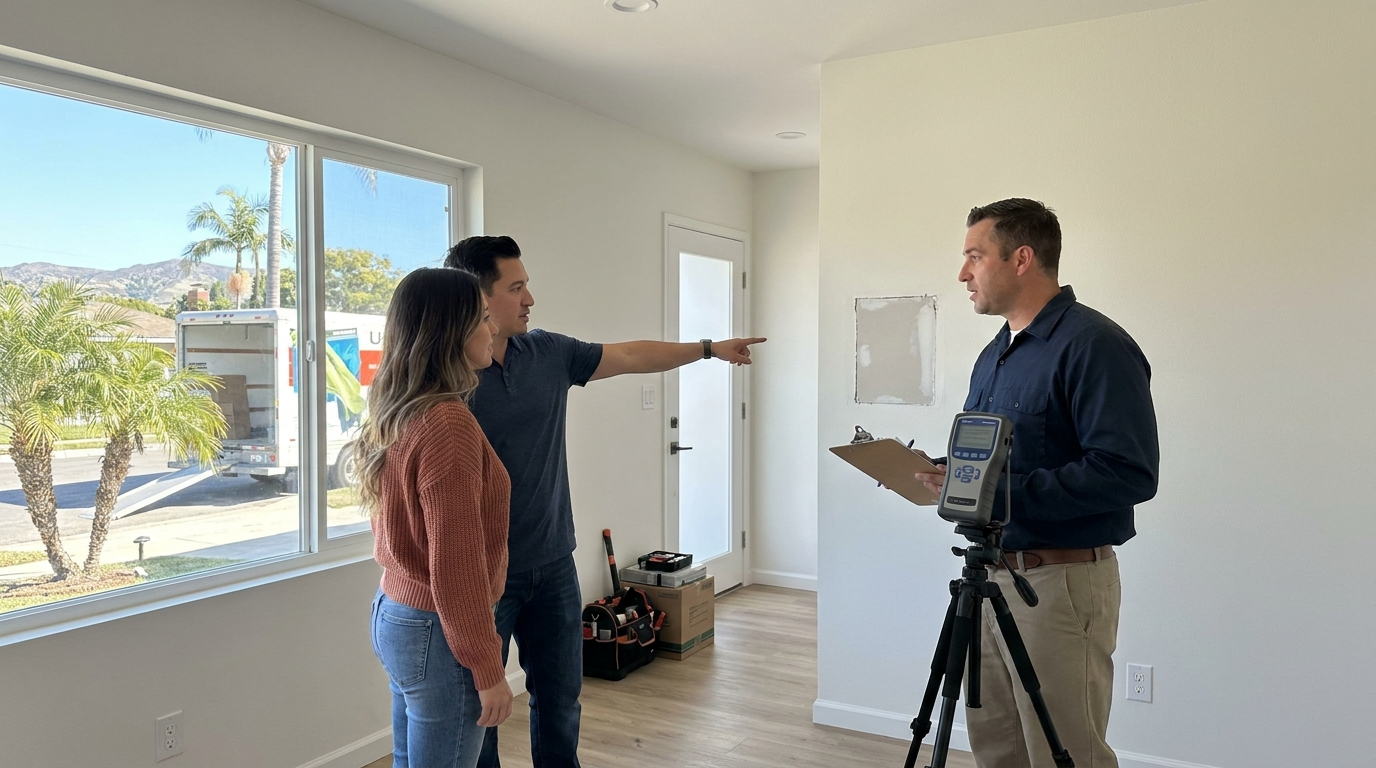
Your Safety Record Is Only As Good As Your Documentation
Want to prove your home is safe? Show the data. You'll need more than contractor receipts to validate reoccupancy decisions.
Here's what your file should contain:
- The lab report with spore counts and species identification from post-remediation samples
- Clearance certificate signed by an independent inspector confirming safe conditions
- Moisture readings showing materials dried to levels that won't support regrowth
- Photos documenting the remediation scope and completed restoration work
If health concerns emerge later, documentation won't just support your case. Mixing remediated and untreated zones without proper verification is one of the fastest ways to create liability. So if that bedroom you reopened was part of the affected area, you'd better have test results proving it cleared.
Where Most Anaheim Homeowners Stumble
Assuming clearance equals completion is how families end up back in contaminated spaces. The verification proves the mold is gone, not that the building is restored. Most homeowners stay safe by layering verification with moisture control and proper restoration — and plenty avoid recurring problems by understanding what causes mold inspection issues in the first place.
Moisture Control Determines Long-Term Success
Verification confirms current safety. Moisture management prevents future outbreaks. If the leak that fed the mold is still active, clearance is temporary. Address plumbing failures, improve ventilation, waterproof vulnerable areas — those fixes matter more than the remediation itself. Effective water damage management services and water damage assessment can identify moisture sources before they escalate. Track humidity monthly. It's unglamorous. It works.
Moving Forward With Confidence
Getting verification isn't the hard part. Using those results to make informed decisions — and completing the restoration work that makes reoccupancy safe — that's where homeowners second-guess themselves. There's no shortcut when health and habitability are on the line. But there's also no ambiguity when you follow the testing protocol and finish the job right.
Post-mold verification answers one question with certainty: is the contamination gone? Everything after that — repairs, moisture fixes, final cleaning — determines whether your Anaheim home is truly ready. Skip any step, and you're rolling the dice on your family's well-being. Follow through completely, and you're moving back into a space that's not just cleared, but genuinely safe.
Let’s Make Your Anaheim Home Safe Again
We know how important it is to feel confident about moving back into your home after mold remediation. Let’s work together to ensure every step is verified and your space is truly safe for your family. If you’re ready for peace of mind and expert guidance, call us at 909-994-1893 or schedule service today to get started.
‹ Back
Recent Posts
-
-
-
Could Hidden Bacteria Be Lurking in Your Anaheim Home?
October 5, 2026
-
When Should Older Orange County Homes Be Tested for Lead Paint?
September 21, 2026
-
Should You Test Your Indoor Air After a Home Remodel in Anaheim?
September 7, 2026