
Buying an Older Home in Orange County? Consider an Asbestos Inspection
Most buyers see vintage homes and think about hardwood floors, character, and that mid-century charm you can't fake. But hidden behind those original finishes and classic layouts? Materials that were once considered cutting-edge — and are now considered carcinogenic. Asbestos was everywhere in homes built before the 1980s. And if you're shopping for a place in Santa Ana, Fullerton, or Anaheim, odds are decent you're walking through one.
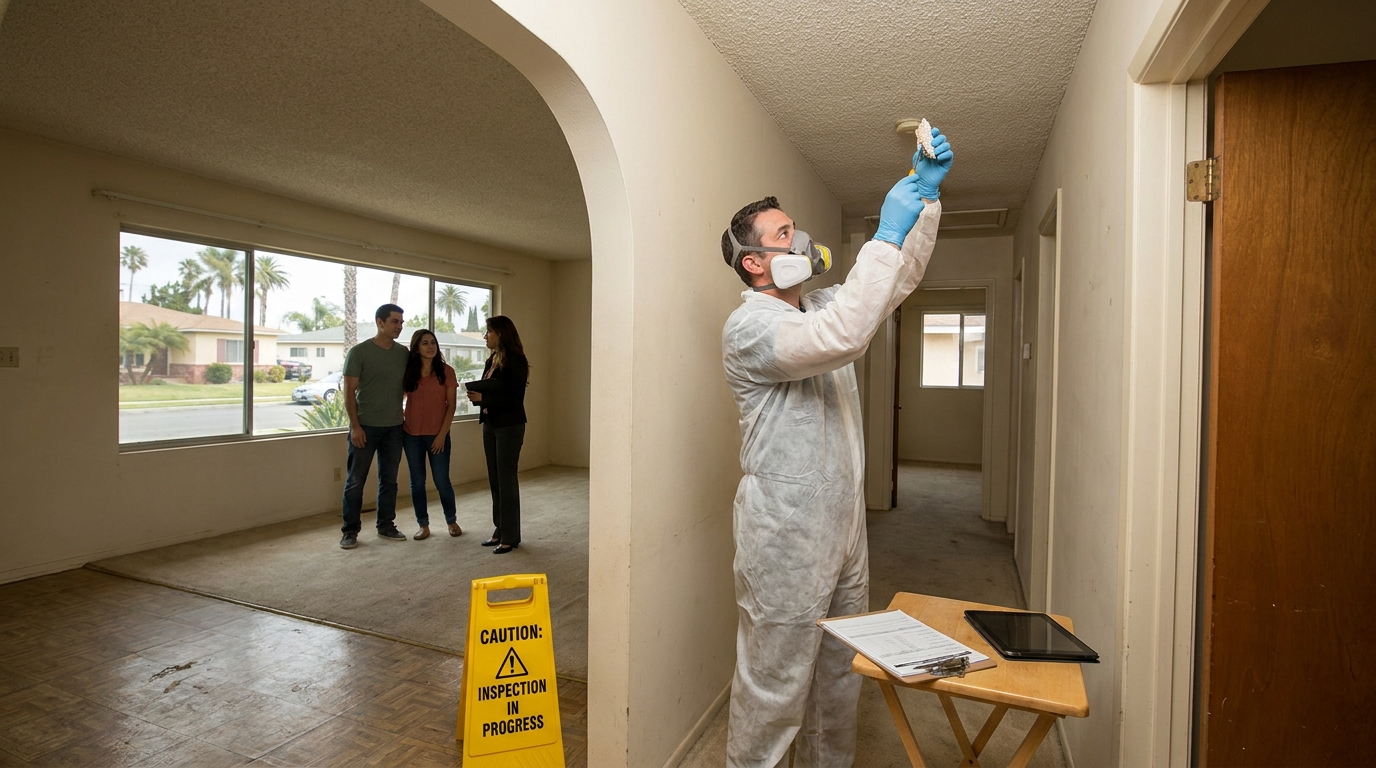
So here's the deal. You don't get to ignore this just because the house looks solid. Every renovation plan should start with knowing what you're tearing into. Every offer should factor in what might be lurking in the walls. And every inspection should include someone who knows the difference between safe and seriously dangerous.
Why Older Homes in Orange County Are High Risk
Orange County saw a massive construction boom between the 1940s and 1970s. Developers used asbestos in everything from popcorn ceilings to vinyl flooring to pipe insulation. It was cheap, fireproof, and incredibly effective. The health risks weren't widely understood until decades later — long after thousands of homes were already built with it baked in.
If the home you're eyeing was built before 1980, assume asbestos is present until proven otherwise. It's not about being paranoid. It's about being smart. Because the moment you start remodeling without testing, you're rolling the dice with your lungs and everyone else's in the house.
What Asbestos Actually Does
Asbestos doesn't hurt you sitting still. The danger comes when it's disturbed — sanded, drilled, demolished, or even just worn down over time. Once those fibers go airborne, they can be inhaled. And once they're in your lungs, they don't come out. Over years or decades, exposure can lead to lung cancer, mesothelioma, or asbestosis.
We're not talking about a rash or a cough. We're talking about diseases that show up 20 or 30 years later and don't have a cure. That's why testing matters before you touch anything. Especially if your renovation plans involve tearing out ceilings, ripping up flooring, or opening up walls.
Where Asbestos Hides in Homes
It's not obvious. Asbestos was used in dozens of building materials, and many of them look perfectly normal to the untrained eye. You won't know just by looking. You need a professional to sample and test.
- Popcorn ceilings and textured wall finishes
- Vinyl floor tiles and the adhesive underneath
- Roofing shingles and siding materials
- Pipe insulation and HVAC duct wrapping
- Drywall joint compound used before the mid-1970s
The Inspection Process Breaks Down Like This
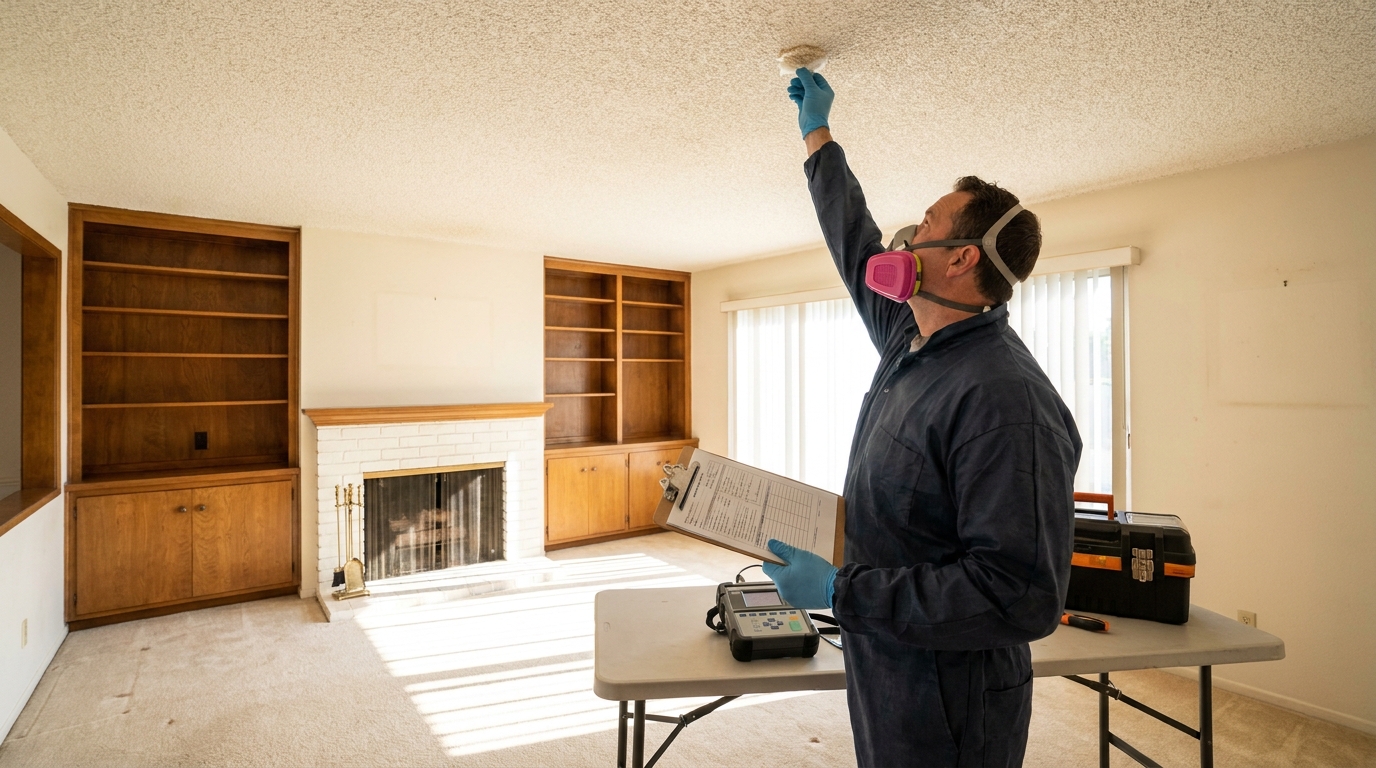
A certified asbestos inspector doesn't just eyeball the place and give you a thumbs-up. They walk the property, identify suspect materials, collect samples using controlled methods, and send those samples to a lab for analysis. You get a written report that tells you exactly what's there, where it is, and what condition it's in.
That report becomes your roadmap. If asbestos is present but encapsulated and undisturbed, you might leave it alone. If it's damaged or you're planning demo work, you'll need a licensed abatement contractor to handle removal. Either way, you're making decisions based on facts — not assumptions.
Timing Matters More Than You Think
Don't wait until after closing to get this done. Schedule the inspection during your due diligence period so you have leverage. If asbestos is found, you can negotiate remediation costs with the seller, ask for a credit, or walk away if the scope is too big. Once you own the house, those costs are yours alone.
- Order the inspection right after your offer is accepted
- Budget one to two weeks for lab results
- Use the findings to renegotiate terms or request repairs
- Get cost estimates from licensed abatement contractors if removal is needed
Not Every Inspector Is Qualified
Your standard home inspector isn't trained to test for asbestos. You need someone with specific certification from the state of California or the EPA. Don't assume. Ask for credentials. Verify they're licensed. Check references. This isn't the place to go with the cheapest option or your cousin who "knows buildings."
A qualified inspector follows strict protocols for sample collection and chain of custody. They know how to prevent cross-contamination and how to interpret lab results. If they're not following those standards, the report isn't worth the paper it's printed on.
What Happens If Asbestos Shows Up
Finding asbestos doesn't automatically kill the deal. It just changes the conversation. If the material is intact and won't be disturbed, you might decide to leave it in place and monitor it. If it's crumbling or you're planning a remodel, removal is the safer bet.
- Hire a licensed abatement contractor — never DIY this
- Get multiple quotes and verify they're insured and certified
- Expect the work to include containment, air monitoring, and proper disposal
- Plan for temporary relocation if the scope is large
- Keep all documentation for future resale disclosures
The Cost of Skipping This Step
Some buyers wave off the asbestos inspection to save a few hundred bucks. That's a gamble with terrible odds. If you start a project and discover asbestos mid-demo, you're looking at emergency abatement, work stoppages, and costs that can run into the tens of thousands. And if you expose your family or contractors without knowing, the health risks are irreversible.
Testing upfront costs a fraction of what remediation does. And it gives you control over the timeline, the budget, and the decision-making. There's no upside to flying blind on this one.
How We Protect Ourselves and the Investment
We don't cut corners on inspections. When we're looking at older homes in Orange County, asbestos testing in Orange County is part of the checklist — right next to foundation, roof, and electrical. It's not about being overly cautious. It's about knowing what we're buying and what it's going to take to make it safe.
- Schedule the inspection early in the process
- Review the report carefully and ask questions
- Factor abatement costs into your renovation budget
- Negotiate repairs or credits before closing
- Keep records for future buyers and permit applications
Make the Smart Call Before You Sign
Older homes in Orange County have a lot to offer. They're built with materials and craftsmanship you don't see anymore. But they also come with risks that modern homes don't carry. Asbestos is one of them — and it's not something you can afford to guess about. Homeowners concerned about hidden hazards should also consider mold inspection and lead-based paint testing as part of a comprehensive due diligence process. Many older properties also benefit from water damage assessment to catch issues before they become expensive problems. For comprehensive property evaluation, explore our services to understand what testing options are available. Get the inspection. Read the report. Make your move with full information. That's how you protect your health, your wallet, and the people who'll live in that house long after the ink dries.
Let’s Make Your Next Move Safe
We all want to enjoy the charm of an older Orange County home without worrying about hidden dangers. If you’re ready to move forward with confidence, let’s make sure your investment is protected from asbestos and other unseen risks. Give us a call at 909-994-1893 or schedule service today today to schedule your inspection and get the answers you need before you buy.
‹ Back
Recent Posts
-
-
Could Hidden Bacteria Be Lurking in Your Anaheim Home?
October 5, 2026
-
When Should Older Orange County Homes Be Tested for Lead Paint?
September 21, 2026
-
Should You Test Your Indoor Air After a Home Remodel in Anaheim?
September 7, 2026
-