Is Water Damage in Orange County Still Causing Air Issues?
Orange County properties face a relentless enemy most owners underestimate. Water gets in—through aging pipes, flash storms, or coastal humidity—and it doesn't just leave stains. It changes the air you breathe. Mold blooms in hidden cavities. Bacteria multiply behind drywall. And the longer moisture sits, the worse your indoor environment becomes.
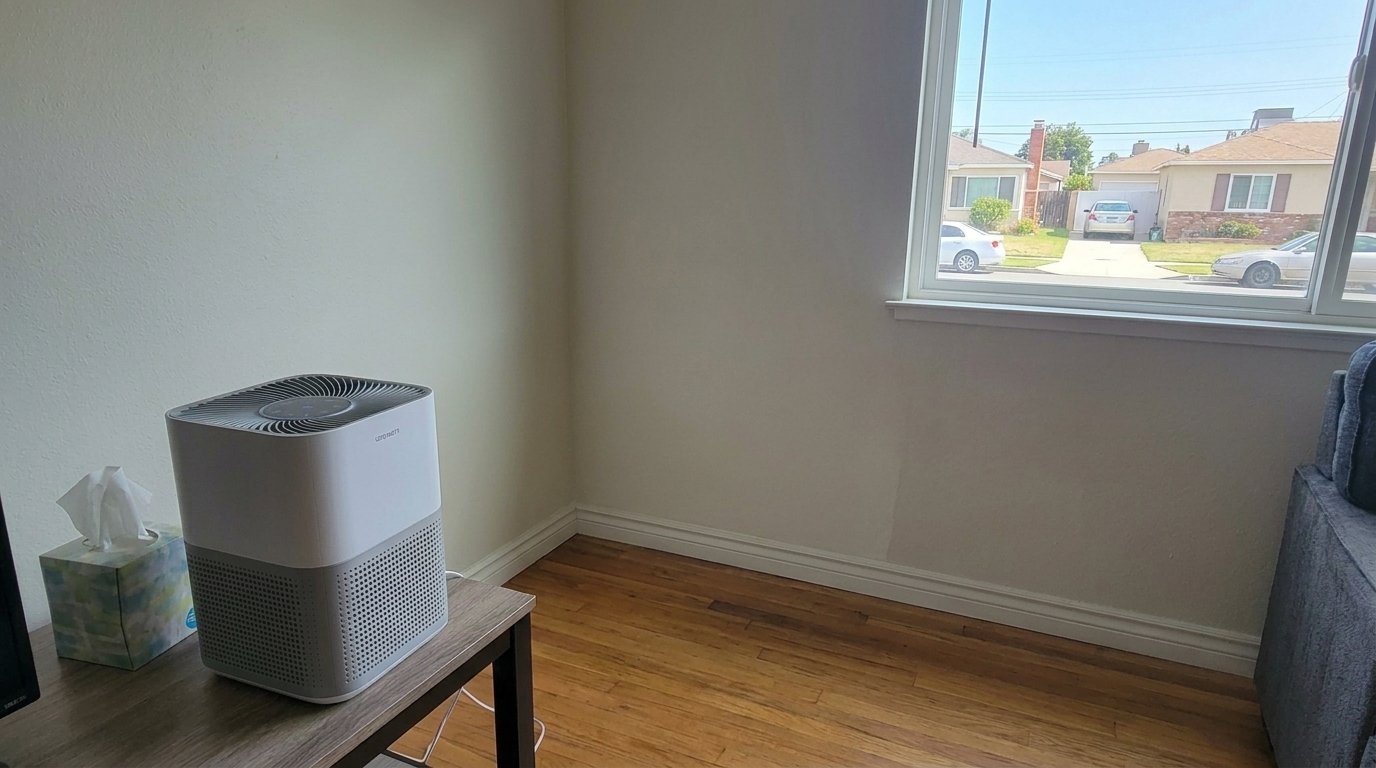
The question isn't whether water damage affects air quality. It's whether your building has already been compromised and you just haven't noticed yet. Because in this climate, with this building stock, the odds aren't in your favor.
Moisture Creates a Breeding Ground
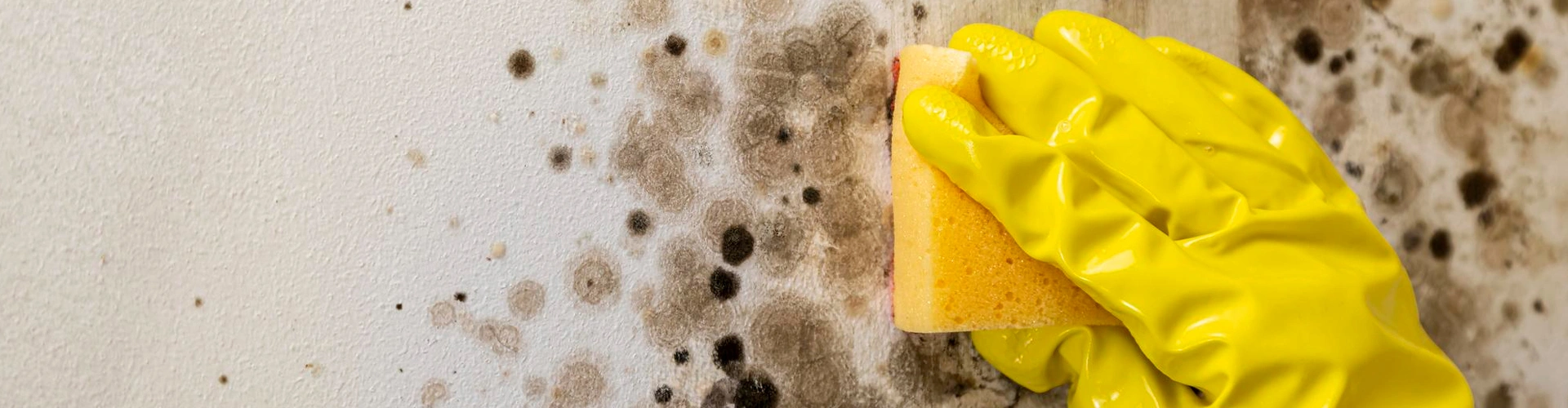
Water doesn't need to pool on your floor to cause problems. Once it soaks into porous materials—drywall, insulation, subflooring—it hangs around. Even after surfaces look dry, trapped moisture feeds microbial growth. Mold spores go airborne. Bacteria release compounds into your ventilation system. And suddenly, the air inside your property is worse than what's outside.
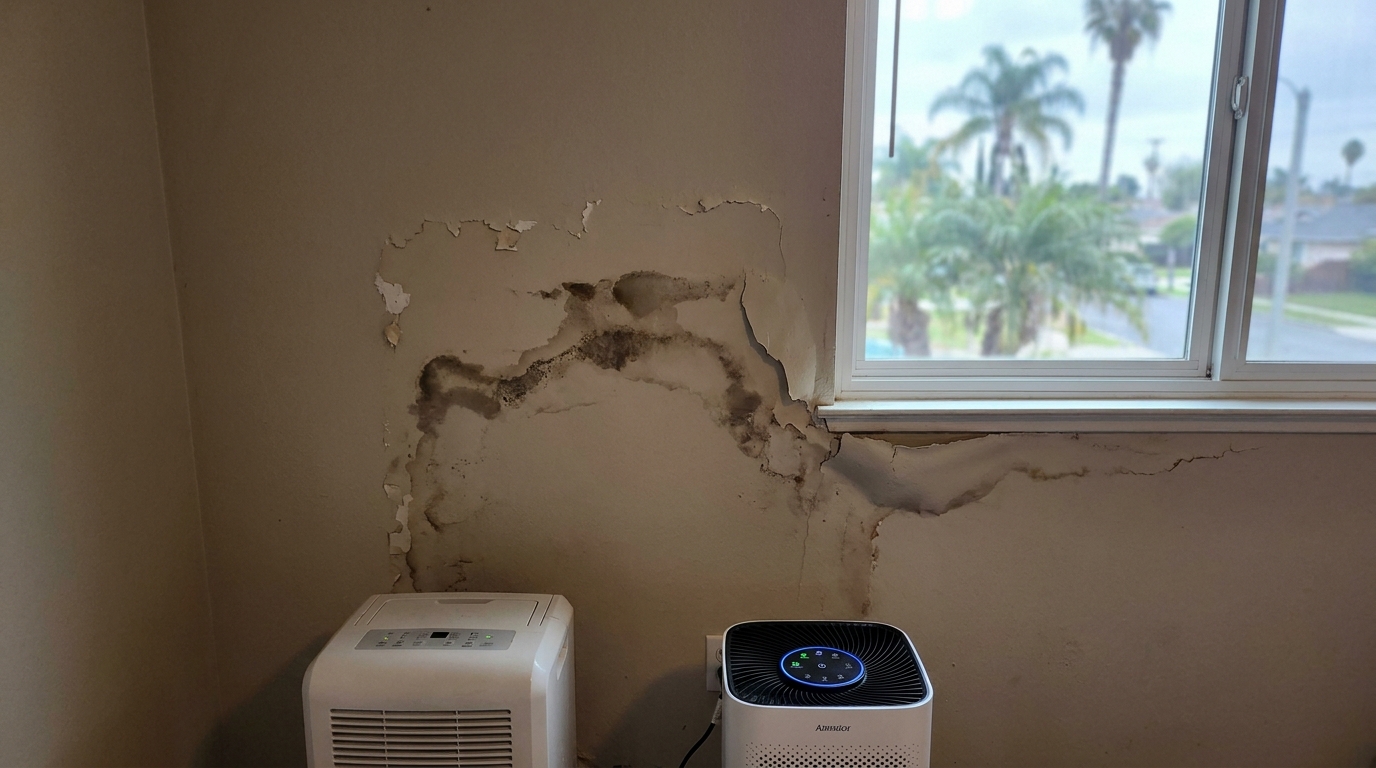
Orange County's mix of older construction and coastal humidity makes this worse. Materials that absorbed water months or even years ago can still harbor contamination if the water damage assessment was never fully addressed. A patched ceiling or repainted wall doesn't mean the problem's gone—it just means it's out of sight.
Health Symptoms Pile Up
Poor air quality from water damage doesn't announce itself with flashing lights. It creeps in through respiratory irritation, persistent coughing, and allergy flare-ups that won't quit. For people with asthma or weakened immune systems, the risk escalates fast. Even healthy occupants start noticing headaches, fatigue, and sinus trouble that won't resolve.
The culprits are microscopic. Mold spores float through your HVAC system. Volatile organic compounds off-gas from damp materials. Dust mites thrive in humid corners. Your body responds to all of it, and the symptoms stick around as long as the moisture does.
Where the Damage Hides
Most property owners look for obvious water stains or visible mold. But the real trouble zones are tucked behind walls, under floors, and inside ceiling cavities. A slow leak from a pipe or roof penetration can go unnoticed for months while it saturates insulation and framing. By the time you spot discoloration, the air quality issue has already taken hold.
Basements, crawl spaces, and bathrooms are prime targets. So are areas near plumbing fixtures and exterior walls exposed to wind-driven rain. If your property has had any water event—no matter how minor—there's a good chance moisture is still lurking somewhere.
Red Flags You Shouldn't Ignore
Catching water damage early saves your air quality and your wallet. Watch for these warning signs:
- Musty or earthy smells that don't fade, especially in enclosed spaces
- Condensation forming on windows, mirrors, or interior walls
- Visible mold patches, even small ones, on ceilings or around vents
- Warped flooring, peeling paint, or bubbling drywall
- Unexplained uptick in respiratory symptoms among occupants
If any of these show up, don't wait. The longer moisture sits, the more expensive remediation becomes—and the more your air quality deteriorates.
Why DIY Doesn't Cut It
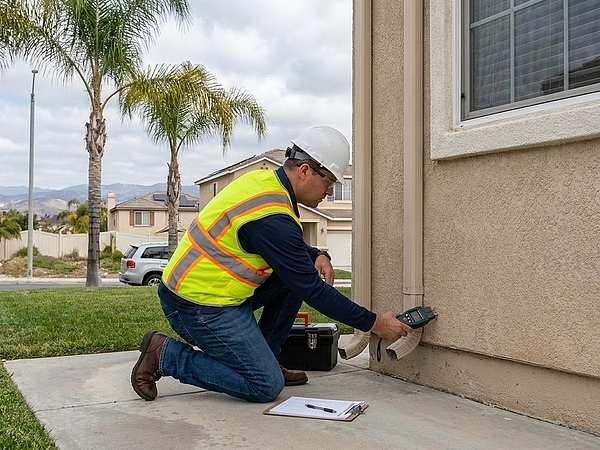
Wiping down surfaces and running a fan won't solve a water damage problem. Professional remediation requires more than towels and open windows. Specialists use thermal imaging to find hidden moisture, industrial dehumidifiers to pull it out, and HEPA filtration to scrub spores from the air. They also know which materials need removal and which can be salvaged.
Trying to handle it yourself almost always leaves moisture behind. That means mold regrowth, ongoing air contamination, and the same health issues cropping up again. If you're serious about protecting your indoor environment, you need water damage management services who know how to document, dry, and decontaminate the right way.
Maintenance Beats Remediation Every Time
The best defense is stopping water before it becomes a problem. Regular inspections catch small leaks before they turn into major contamination events. Check these areas consistently:
- Roof flashing and valleys, especially after storms
- Plumbing connections under sinks, behind toilets, and near water heaters
- HVAC drain lines and condensate pans
- Exterior grading and drainage systems around the foundation
- Windows and doors for seal failures or caulking gaps
Investing in moisture-resistant materials during renovations also pays off. Mold-resistant drywall, proper vapor barriers, and improved ventilation all reduce the risk of future air quality issues.
Aging Buildings Multiply the Risk
Orange County's housing stock includes plenty of older properties built before modern moisture management standards took hold. Outdated plumbing corrodes and fails. Original roofing reaches the end of its lifespan. And drainage systems that worked fine decades ago may no longer handle today's storm intensity.
If your property is more than 20 years old, assume that water has gotten in at some point. The question is whether it was properly addressed. Previous owners or tenants may have done quick cosmetic fixes without tackling the underlying moisture problem. That leaves you with hidden contamination affecting your air right now.
What Proper Remediation Looks Like
Real water damage restoration doesn't stop at surface cleanup. It involves:
- Identifying all affected materials using moisture meters and thermal cameras
- Removing unsalvageable porous materials like insulation and drywall
- Drying structural components with commercial-grade equipment
- Treating surfaces with antimicrobial agents to kill mold and bacteria
- Running air scrubbers to filter spores and VOCs from the environment
Documentation matters too, especially if insurance is involved. Photos, moisture readings, and detailed reports ensure that the full scope of damage is captured and addressed.
How Humidity Keeps the Problem Alive
Even after remediation, Orange County's coastal climate can keep indoor humidity levels elevated. If relative humidity stays above 60 percent, mold can return—even on surfaces that were previously cleaned. That's why controlling humidity is just as important as removing the initial water source.
Dehumidifiers, improved ventilation, and regular HVAC maintenance all help keep moisture levels in check. So does using exhaust fans in bathrooms and kitchens, especially during and after showers or cooking. Small habits make a big difference in preventing future air quality problems.
When to Call in Testing
If you've had water damage remediated but still notice symptoms or odors, air quality testing can pinpoint what's left behind. Labs can measure mold spore counts, identify specific species, and test for VOCs or bacteria. That data helps determine whether additional mold inspection is needed or if your air is actually clear.
Testing is especially valuable before buying a property with a history of water damage. You'll know exactly what you're getting into and can negotiate repairs or walk away if the contamination is too severe. Professional bacteria testing services and allergen assessment can provide comprehensive analysis of your indoor air quality following water damage events.
The Cost of Waiting
Ignoring water damage doesn't make it go away—it just makes it worse. Mold spreads. Structural materials degrade. Health symptoms intensify. And what could have been a manageable repair turns into a full-scale restoration project that costs ten times more.
We've seen properties where delayed action led to entire rooms being gutted because owners hoped the problem would resolve on its own. It never does. Water damage doesn't heal itself, and neither does the air quality it destroys. The sooner you act, the less you pay—and the healthier your indoor environment stays for everyone inside. Once remediation is complete, post-mold verification service ensures that your property is truly safe and contamination-free.
Breathe Easier with Expert Help
We all want to feel confident that the air in our homes and businesses is safe and healthy. If you suspect water damage is affecting your indoor air quality, let's address it together before it becomes a bigger issue. Give us a call at 909-994-1893 or schedule service today to get started on restoring your peace of mind.
‹ Back
Recent Posts
-
-
Could Hidden Bacteria Be Lurking in Your Anaheim Home?
October 5, 2026
-
When Should Older Orange County Homes Be Tested for Lead Paint?
September 21, 2026
-
Should You Test Your Indoor Air After a Home Remodel in Anaheim?
September 7, 2026
-