

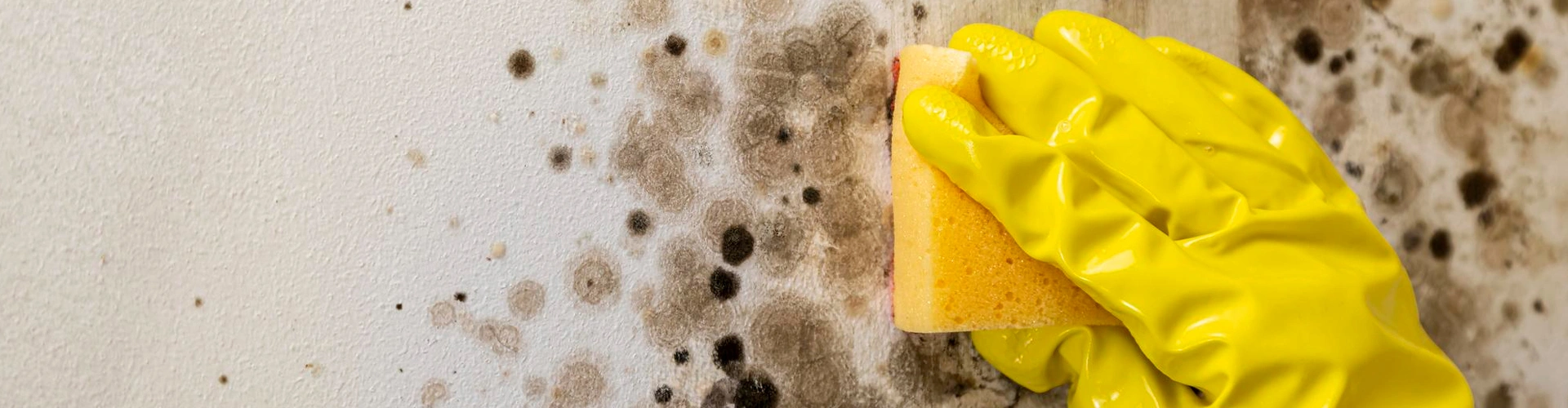
Can Dust in Orange County Homes Point to Asbestos?
Most homeowners see dust as a chore. Something to wipe down on weekends. But in Orange County, that layer of gray sitting on your shelf might mean more than neglect. Especially if your place was built before the '80s. Asbestos doesn't announce itself — it hides in materials you've lived with for decades. And when those materials break down, the fibers go airborne. That's when dust stops being harmless.
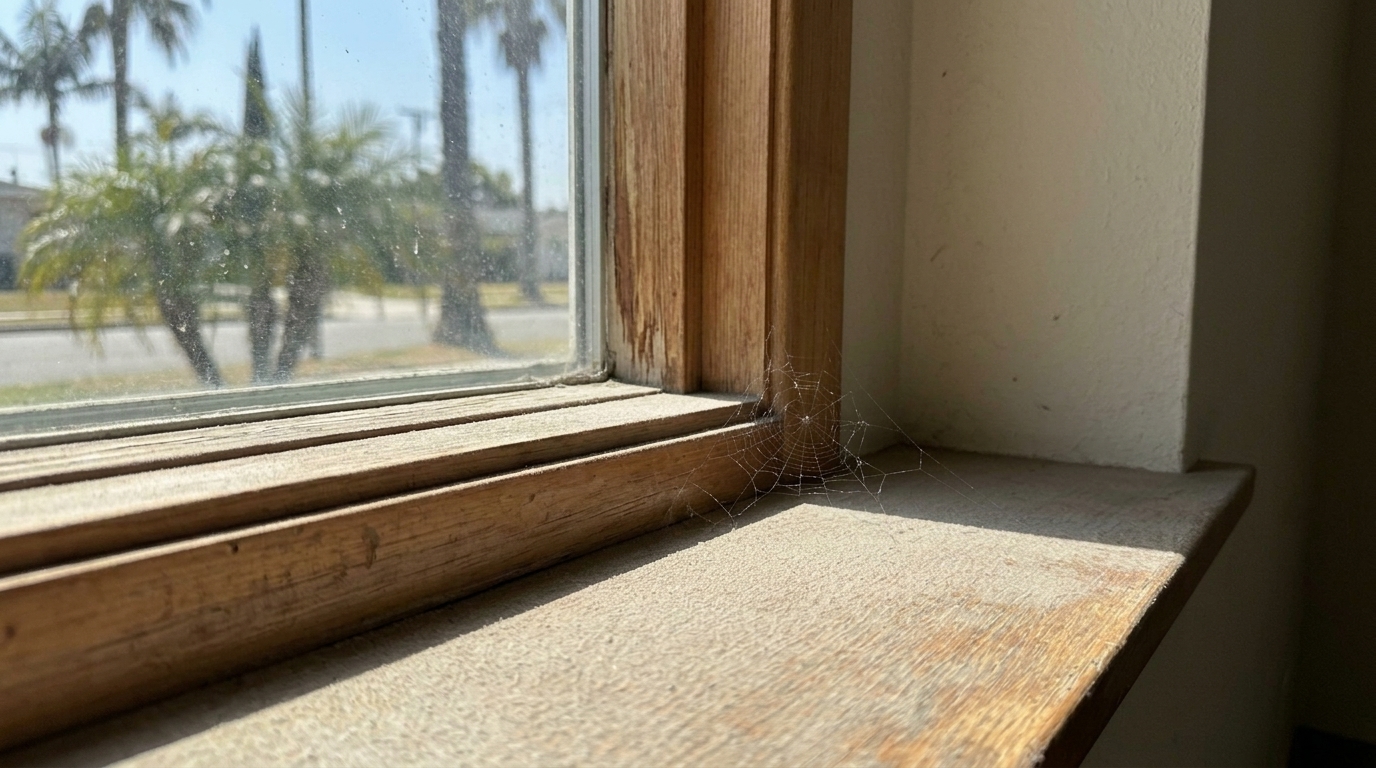
You can't see asbestos with the naked eye. You can't smell it. But if it's there, it's already in your lungs before you realize what happened. We're not talking about paranoia — we're talking about real risk in older properties across the county. And the difference between ignoring it and addressing it could be the gap between clean air and serious health consequences down the line.
Why Orange County Homes Are Worth a Closer Look
Asbestos wasn't some fringe material. It was standard. Builders loved it because it didn't burn, didn't conduct heat, and lasted forever. That's why it ended up in insulation, popcorn ceilings, floor tiles, roof shingles, and even joint compound. If your home went up before federal regulations tightened in the early '80s, there's a solid chance something in your walls or attic contains it.
Orange County saw a construction boom during those decades. Tract homes, apartment complexes, commercial buildings — all built fast, all built with what worked at the time. Now those structures are aging. Materials crack. Tiles chip. Insulation settles. And every time that happens, microscopic fibers get released into the air you breathe. That's the part most people miss until it's too late.
How Asbestos Turns Into Household Dust
Asbestos doesn't just fall apart on its own. It needs a trigger. Renovation is the big one. Tearing down a wall, pulling up old flooring, scraping a ceiling — all of that disturbs materials that have been sitting quietly for years. Once disturbed, those fibers float. They settle on countertops, furniture, vents. They mix with regular dust. And unless you know what you're looking for, you'd never notice.
But even without construction, time does the work. Water damage weakens materials. Vibrations from traffic or nearby development can cause crumbling. Age alone is enough. When asbestos-containing materials deteriorate, the result is the same — airborne contamination that eventually becomes part of your home's dust layer.
What Raises the Red Flag
Not every speck of dust is a problem. But certain conditions make asbestos contamination more likely. If any of these apply to your property, you're in higher-risk territory:
- Your home was built before 1980, especially between the 1950s and 1970s
- You've recently done demo work, remodeling, or repairs in older sections of the house
- Ceiling texture is flaking or crumbling without explanation
- Floor tiles are cracked or breaking apart in chunks
- Insulation around pipes or ductwork is exposed and deteriorating
None of these guarantee asbestos. But they do warrant attention. And they're common enough in Orange County homes that we've seen them show up again and again in inspection reports.
Testing Is the Only Way to Know
You can't guess your way through this. Visual inspection won't cut it. Even a contractor with decades of experience can't confirm asbestos without lab analysis. That's because the fibers are microscopic. Two materials that look identical could have completely different compositions.
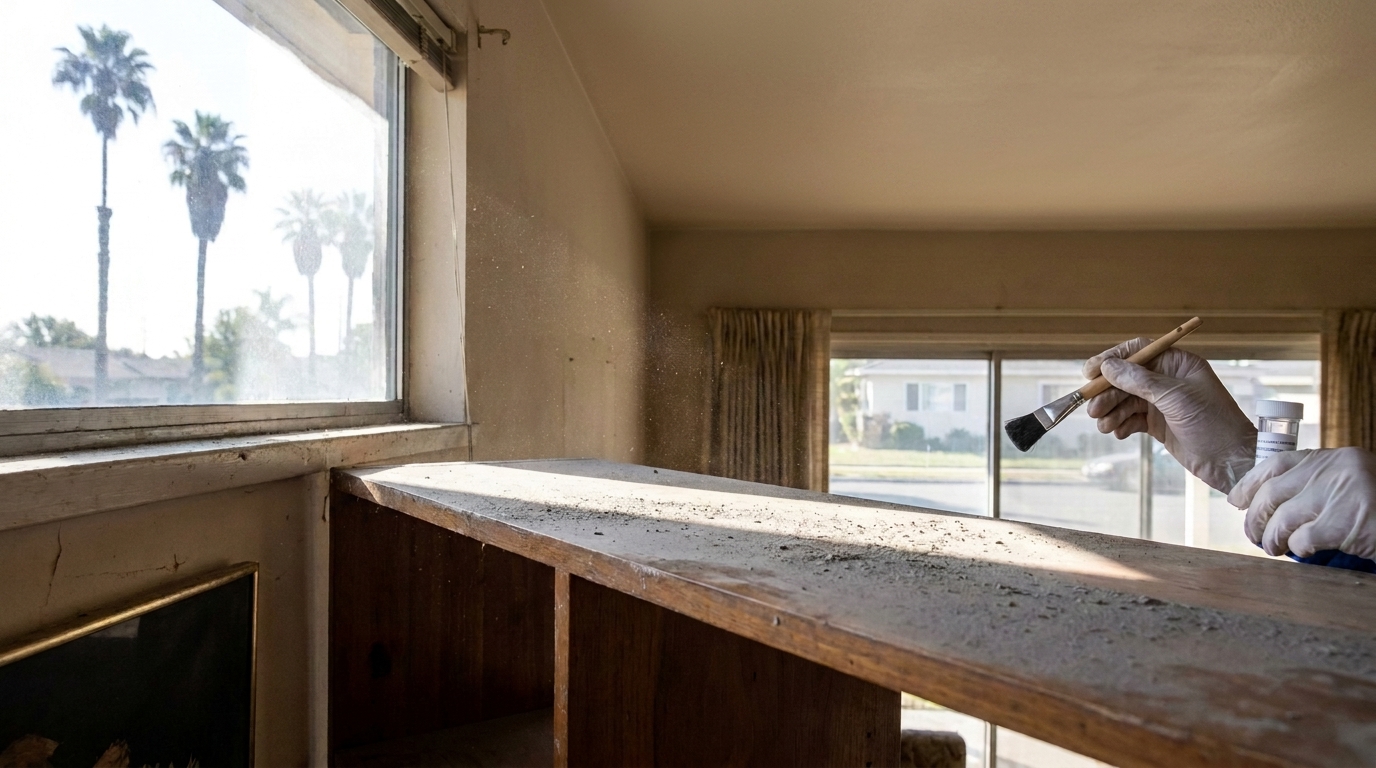
Professional testing involves collecting samples in a controlled way — sealed containers, no cross-contamination, proper labeling. Those samples go to a certified lab. Results come back in a few days. If asbestos is present, you'll know the type, the concentration, and whether it's friable (easily crumbled) or non-friable. That information shapes what happens next.
What Happens When the Test Comes Back Positive
If asbestos shows up in your dust or materials, the response depends on the condition and location. Intact materials that aren't flaking or crumbling can often be left alone — encapsulation or sealing might be enough. But if the material is deteriorating or you're planning work in that area, abatement becomes necessary.
Abatement isn't DIY territory. Licensed professionals handle removal using containment barriers, negative air pressure systems, and proper disposal. The process is regulated at the state and federal level. Cutting corners here doesn't just put you at risk — it violates environmental and workplace safety laws. And it leaves a contamination trail that could come back to haunt you during a future sale or inspection.
Common Mistakes Homeowners Make
We see the same patterns over and over. People mean well, but they don't understand how asbestos behaves. Here's where things go sideways:
- Vacuuming or sweeping suspected areas, which spreads fibers instead of containing them
- Attempting DIY removal without proper equipment or training
- Ignoring deteriorating materials because they "seem fine"
- Skipping testing before renovation because it adds cost or delays the project
- Assuming newer-looking materials are safe without verifying age or composition
Each of these moves increases exposure risk. And once fibers are inhaled, there's no reversing it. Asbestos-related diseases take decades to develop, but the damage starts the moment those fibers lodge in lung tissue.
Health Risks Are Long Term and Serious
Asbestos doesn't cause immediate symptoms. You won't feel sick the day after exposure. But over time — sometimes 20, 30, or 40 years later — the effects show up. Asbestosis scars lung tissue and makes breathing harder. Lung cancer develops in smokers and non-smokers alike. Mesothelioma, a rare and aggressive cancer, targets the lining of the lungs or abdomen.
There's no safe level of asbestos exposure. The more you're exposed, the higher the risk. But even brief, intense exposure during a single renovation project can be enough. That's why professionals take containment seriously. And why homeowners should too.
Steps to Take If You Suspect Contamination
Don't wait for symptoms. Don't ignore warning signs. If you think asbestos might be in your home, act on it now. Here's what that looks like in practice:
- Stop any work in the suspected area immediately
- Keep people and pets out of the space until testing is complete
- Contact a certified asbestos inspector licensed in California
- Request lab-verified testing, not just a visual assessment
- If asbestos is confirmed, hire a licensed abatement contractor
- Follow all local and state regulations for disposal and documentation
This isn't optional. It's the baseline for protecting your household. And it's the only way to ensure you're not creating a bigger problem while trying to fix a smaller one.
Prevention Beats Cleanup Every Time
If you're buying an older home in Orange County, make asbestos testing part of your inspection checklist. If you're planning a remodel, test before you demo. If you're living in a property built before 1980, get familiar with what materials might contain asbestos and monitor their condition.
Good ventilation helps reduce airborne particles overall. HEPA filters catch more than standard filters. Regular cleaning with damp methods prevents dust from going airborne. None of this replaces testing or abatement, but it does lower your baseline exposure to all kinds of particulates — asbestos included.
Professional Help Keeps You Compliant and Safe
Asbestos work isn't something you learn from YouTube. Inspectors need state certification. Contractors need special licensing. Labs need accreditation. The regulatory framework exists because the stakes are high. Trying to shortcut the process doesn't save money — it shifts liability onto you and puts everyone in the home at risk.
We've worked with property owners across Orange County who thought they were handling things the right way, only to find out later that their contractor wasn't licensed or their testing wasn't done to spec. Fixing those mistakes costs more than doing it right the first time. And the health consequences don't come with a receipt.
When to Call In the Experts
You need professional help if:
- You're planning any renovation or demolition in a pre-1980 home
- Materials are visibly deteriorating or damaged
- You've had water damage in areas with suspected asbestos
- You're buying or selling an older property and want clear documentation
- Previous testing was incomplete or inconclusive
Getting ahead of this protects your family, your investment, and your legal standing. It also gives you peace of mind that what's in your walls isn't quietly working against you.
Dust Doesn't Lie, But It Needs Translation
That gray film on your window sill isn't always just dirt. In Orange County's older housing stock, it could be a signal — one worth taking seriously. Asbestos doesn't give warnings. It doesn't make noise or leave stains. It just accumulates, invisible and dangerous, until someone decides to test.
We help homeowners navigate that process from start to finish. Not with guesswork. Not with shortcuts. With certified inspections, proper testing, and licensed abatement when needed. Because dust in your home should stay harmless — and the only way to guarantee that is to know what you're dealing with.
Let's Make Your Home Safer Together
We all want peace of mind when it comes to the air we breathe at home. If you have any doubts about asbestos in your Orange County property, let's address them before they become bigger issues. Give us a call at 909-994-1893 or schedule service today so we can help you move forward with confidence and safety.
‹ Back
Recent Posts
-
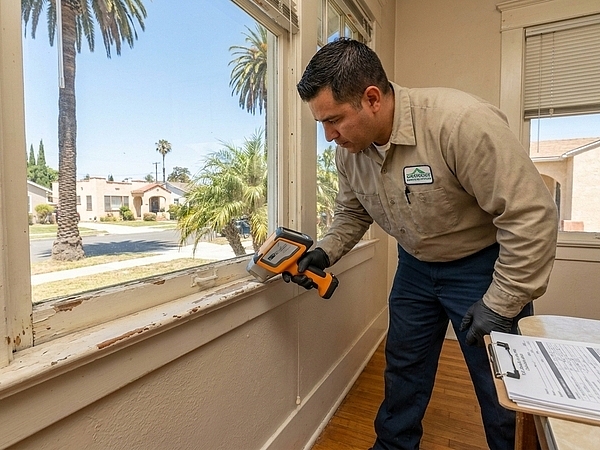
When Should Older Orange County Homes Be Tested for Lead Paint?
September 21, 2026
-
Should You Test Your Indoor Air After a Home Remodel in Anaheim?
September 7, 2026
-
-
-
Should Child Care Centers in Anaheim Test Their Water?
July 20, 2026