

Do Older Homes Need Lead Paint Testing in Anaheim?
Most homeowners think lead paint is just an old problem somebody else dealt with decades ago. But if your Anaheim home was built before 1978, there's a solid chance it's still sitting on your walls — and the IRS of home hazards isn't going to give you a pass just because you didn't know. Lead doesn't announce itself. It hides under fresh coats, chips off into dust, and gets tracked through your house by kids and pets. The moment you start sanding, scraping, or tearing into a renovation, you're not just updating — you're potentially releasing something that shouldn't be breathed.
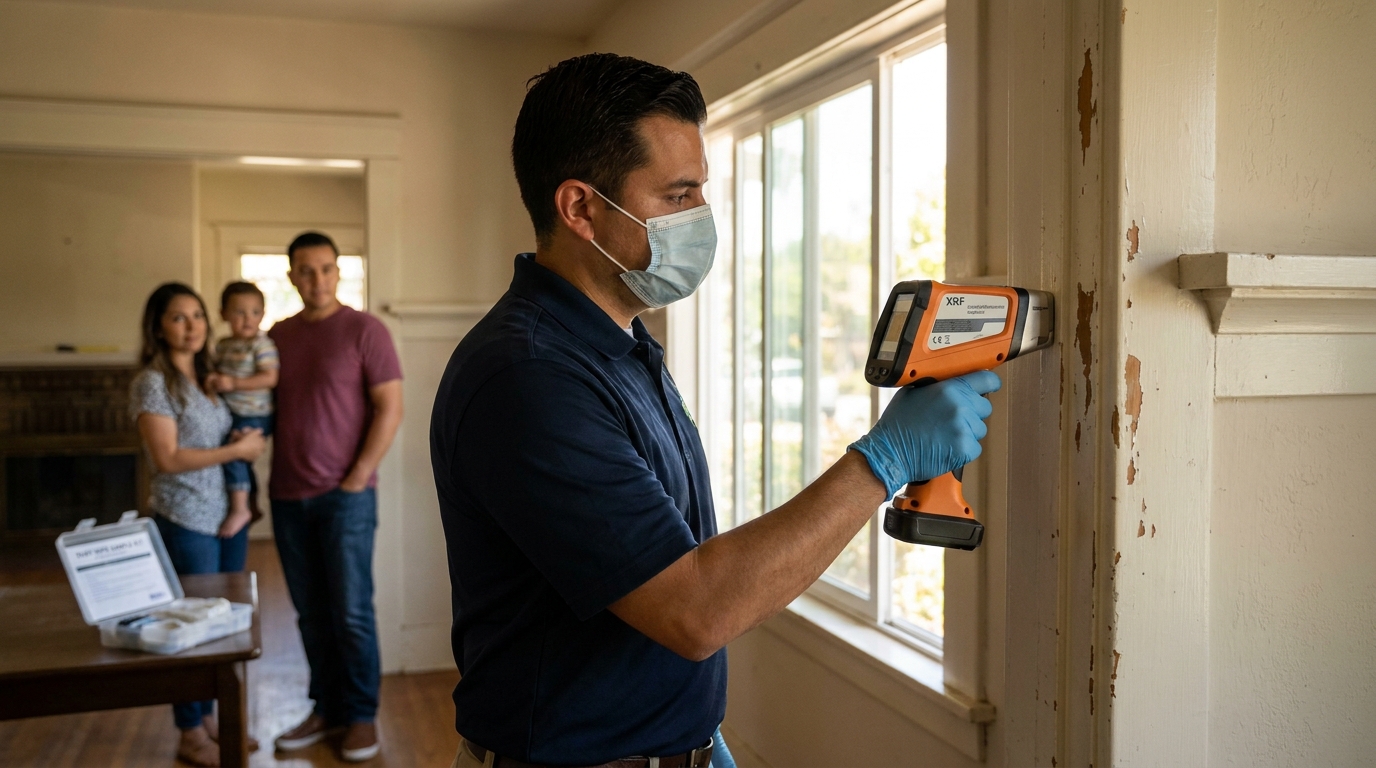
So here's the reality. If your property falls into that pre-1978 bracket, testing isn't paranoia. It's due diligence. And if you're planning to sell, rent, or remodel, it's also the law. Every surface matters. Every choice you make about how to handle it ripples out into liability, health, and resale value.
Why Lead Still Matters in Older Properties
Lead-based coatings were the standard for decades because they worked. They dried hard, lasted long, and looked sharp. But the tradeoff was toxicity — especially for developing brains and bodies. Children under six are at the highest risk. Their systems absorb lead faster, and even trace amounts can cause learning delays, behavioral issues, and developmental damage that doesn't reverse. Pregnant women face similar dangers, with lead crossing the placental barrier and affecting fetal growth.
Adults aren't immune either. Chronic exposure leads to nerve damage, joint pain, memory trouble, and cardiovascular problems. The risk escalates when paint starts breaking down. Chips fall. Dust settles. Windowsills, door frames, and high-traffic areas become contamination zones. You don't need a full-scale disaster to have a problem — just old paint doing what old paint does.
Anaheim's Housing Stock Puts You in the Zone
Anaheim's neighborhoods span generations. Plenty of homes were built when lead paint was still the go-to product, and those structures are still standing — still occupied, still being bought and sold. Census data shows a significant chunk of the city's housing dates back to that era, which means this isn't a fringe concern. It's a widespread one.
Local health agencies don't take this lightly. They push testing for families with young children, especially in older districts. The city knows its own history, and that history includes thousands of homes where lead could still be lurking under layers of newer finishes. Ignoring that reality doesn't make it go away.
When Testing Becomes Non-Negotiable
You can't always see lead, and you can't smell it. That's why testing exists. If your home predates the 1978 federal ban, assume it's there until proven otherwise. Testing becomes essential under a few specific conditions that most homeowners eventually face.
- Young children or pregnant individuals live in the home
- You're gearing up for a remodel, repaint, or major repair
- Paint is visibly deteriorating — peeling, cracking, or chalking
- You're buying or selling and need to meet disclosure requirements
- Tenants are involved and landlord liability is on the line
Federal law mandates disclosure of known lead hazards before any sale or lease of pre-1978 housing. Testing gives you the documentation to back up those disclosures — or the knowledge to remediate before someone else finds it for you.
How the Testing Process Actually Works
Lead paint testing isn't a guessing game. Certified professionals use calibrated tools to detect lead in painted surfaces, and the methods vary depending on what you need to know. Some tests are non-invasive. Others require sampling. All of them should be handled by someone who knows what they're doing.
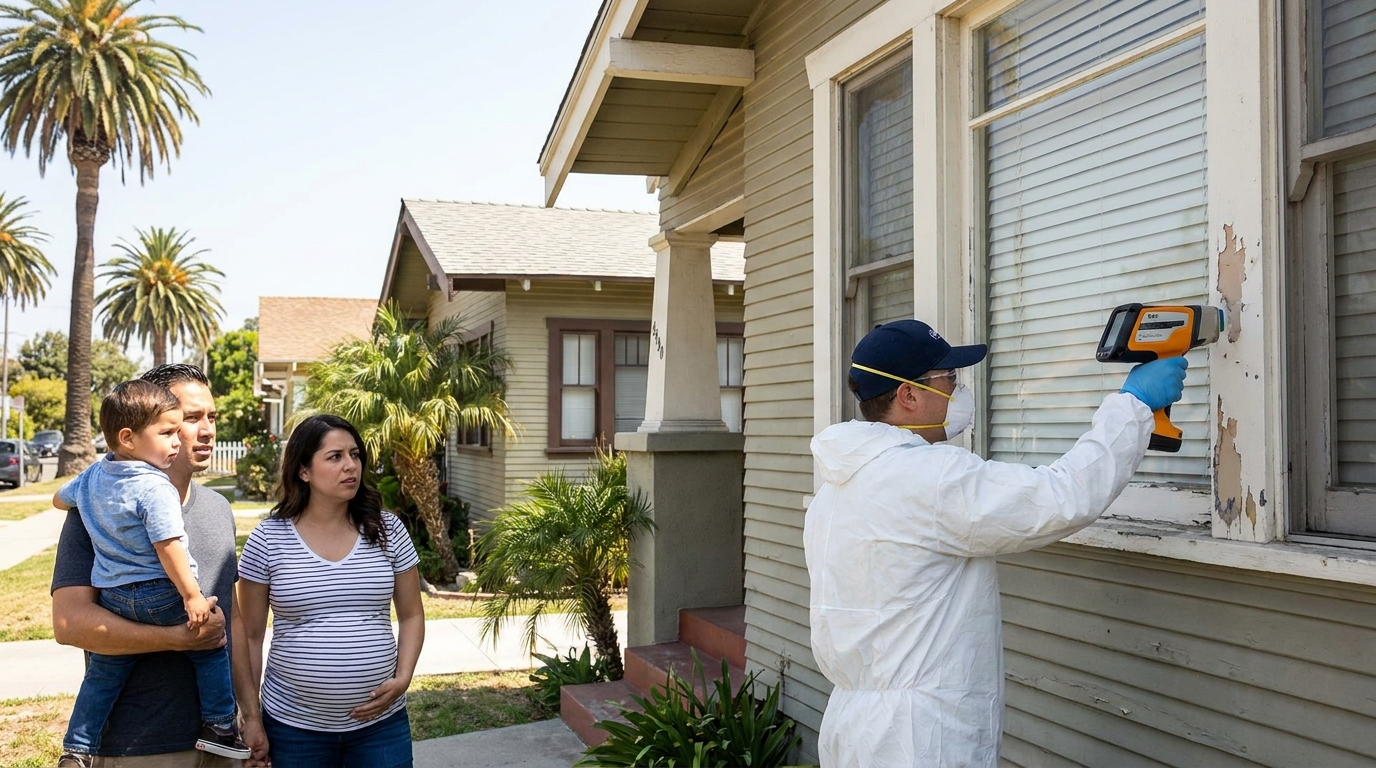
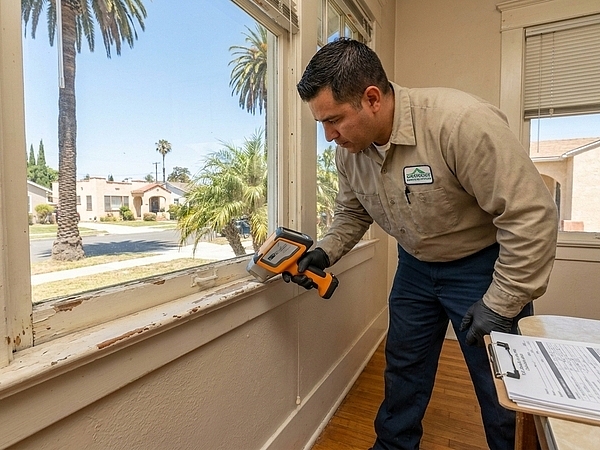
- X-ray fluorescence devices scan surfaces without damage and deliver instant readings
- Paint chip samples get collected and analyzed in a lab for precise lead content
- Dust wipe tests measure contamination on floors, sills, and other horizontal surfaces
- Soil sampling checks exterior areas where paint may have flaked off over time
- Full risk assessments combine multiple tests to map out hazard zones throughout the property
DIY test kits exist, but they're inconsistent and often miss lead that's buried under newer layers. Professional testing costs more upfront, but it's the only way to get results you can actually rely on — and defend if questions come up later.
What Happens After Lead Shows Up
Finding lead doesn't mean you have to gut the house. It means you need a plan. Depending on the condition of the paint and where it's located, you've got options. Some are more invasive than others. Some cost more. All of them beat doing nothing and hoping it works out.
- Encapsulation seals lead paint under a specialized coating that locks it in place
- Enclosure covers hazardous surfaces with new materials like paneling or drywall
- Professional removal strips lead paint entirely using containment and filtration systems
- Regular maintenance keeps intact paint from breaking down and becoming a hazard
- Interim controls address immediate risks while you plan for longer-term solutions
Whatever route you take, hire certified lead abatement contractors. This isn't the time to save a few bucks with a handyman who watched a YouTube video. Improper handling makes contamination worse and exposes everyone in the house to higher levels of lead dust.
Compliance Isn't Optional
If you're selling or leasing a pre-1978 home, federal law requires specific disclosures. You must inform buyers or tenants about known lead hazards, provide available records or reports, and include a lead hazard information pamphlet. Buyers get a ten-day window to conduct their own lead paint inspection if they want one.
Violate these rules, and you're looking at fines, lawsuits, and deal delays. Sellers who skip disclosure can be held liable for damages and penalties up to $19,507 per violation. Landlords face similar consequences, plus the risk of tenant-initiated legal action if a child is harmed. The paperwork isn't optional — it's a safeguard for everyone involved.
Your Move Starts with Information
Older homes come with character, but they also come with history you can't always see. In Anaheim, where so much of the housing stock falls into that pre-1978 window, lead paint testing is more than a precaution — it's a responsibility. Whether you're raising kids, flipping properties, or just trying to keep your investment safe, knowing what's on your walls matters. Get the test. Follow the rules. Handle it right. There's no upside to guessing when the stakes include health, liability, and the value of everything you've built.
Let's Make Your Home Safer Together
Protecting our families and investments starts with understanding what’s really behind the walls of our homes. If you’re ready to take the next step toward a safer, healthier living space, let’s talk about how we can help you with reliable lead paint testing and guidance. Call us at 909-994-1893 or schedule service today to get started on peace of mind for your Anaheim home.
‹ Back
Recent Posts
-
When Should Older Orange County Homes Be Tested for Lead Paint?
September 21, 2026
-
Should You Test Your Indoor Air After a Home Remodel in Anaheim?
September 7, 2026
-
-
-
Should Child Care Centers in Anaheim Test Their Water?
July 20, 2026