

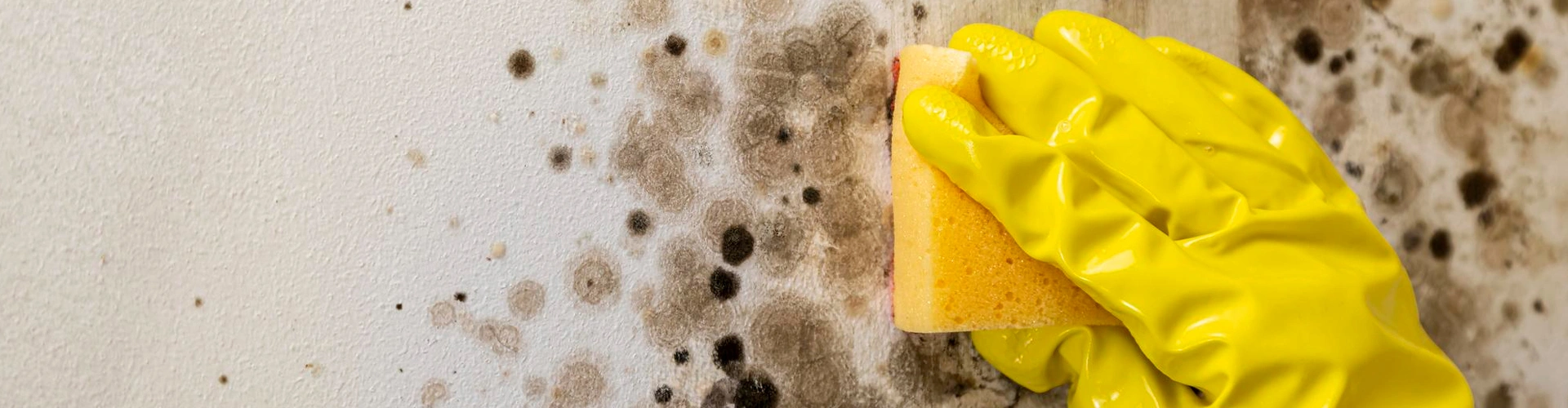
Do You Need Post-Remediation Testing After Water Damage?
Most property owners think water damage ends when the floors dry out. Fans off, dehumidifiers packed up, problem solved. But moisture doesn't always announce itself. It hides in cavities, seeps into subflooring, and lingers behind drywall where you can't see it. And if you're not testing after remediation, you're gambling with mold, structural rot, and air quality issues that won't show up until it's too late.
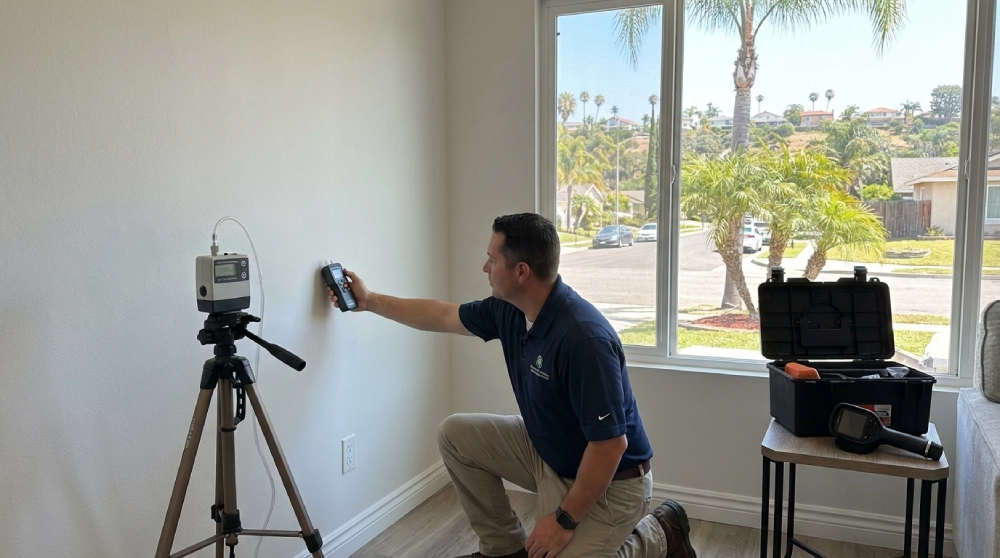
So here's the reality. If you've had water intrusion — whether from a pipe burst, roof leak, or flooding — drying things out is only half the job. The other half is proving the space is actually safe. That means moisture readings, air samples, and surface checks. Not assumptions. Not eyeballing it. Real data that shows the remediation worked and nothing got left behind.
Remediation Doesn't Always Mean Clean
Water damage restoration involves extraction, drying, sanitizing, and sometimes demolition. Professionals follow protocols. They use industrial equipment. They document moisture levels as they go. But even the best crews can miss pockets of trapped water or overlook contamination in hard-to-reach zones.
That's where post-remediation testing comes in. It's the independent checkpoint that confirms the job was finished correctly. No conflicts of interest. No assumptions. Just objective proof that moisture is gone, mold isn't growing, and the air quality meets safe standards. Without it, you're trusting the process without verifying the outcome.
What the Testing Actually Covers
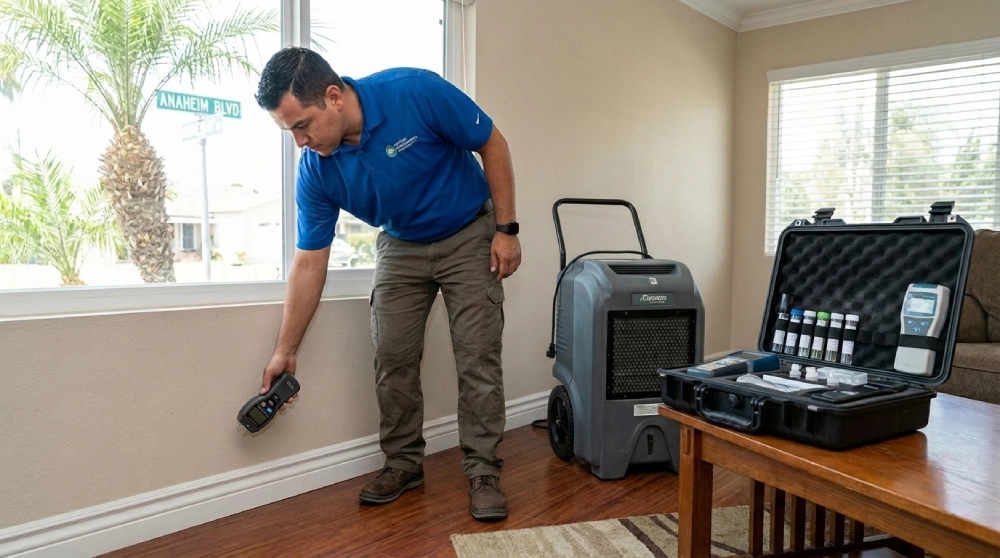
Post-remediation testing isn't a single test — it's a combination of methods designed to catch what visual inspections can't. A qualified third-party inspector will assess the property using multiple tools and techniques to ensure nothing was missed.
Here's what gets checked:
- Moisture meters on walls, floors, and ceilings to confirm dryness
- Air sampling to detect elevated mold spore counts
- Surface swabs or tape lifts for microbial contamination
- Thermal imaging to identify hidden moisture pockets
- Visual inspection for staining, warping, or odor
Each method serves a purpose. Moisture meters catch what's still wet. Air samples reveal what's floating around. Surface tests show what's growing. Together, they paint a full picture of whether the space is truly remediated or just looks that way.
Health Risks Don't Wait for Confirmation
Mold spores thrive in damp environments, and they don't need much time to colonize. Within 24 to 48 hours of water exposure, growth can begin. Even after remediation, if moisture remains, so does the risk. And mold isn't the only concern — bacteria, allergens, and volatile organic compounds can all compromise indoor air quality.
For households with kids, elderly residents, or anyone with respiratory conditions, the stakes are higher. Asthma flare-ups, allergic reactions, and chronic sinus issues can all trace back to poor air quality after incomplete remediation. Professional allergen assessment and testing removes the guesswork and gives you certainty that the environment is safe.
When Testing Becomes Non-Negotiable
Not every water event demands the same level of scrutiny. A small leak caught early and dried quickly might not need extensive testing. But when the damage is widespread, when mold was visible, or when the property sat wet for days, testing isn't optional — it's essential.
You'll want post-remediation testing if:
- Water affected multiple rooms or floors
- Mold was discovered during cleanup
- The building materials include porous surfaces like drywall or insulation
- You're filing an insurance claim and need documentation
- You plan to sell or lease the property soon
- Anyone in the household has health sensitivities
Insurance and Resale Value Depend on It
Many insurers won't close a water damage claim without proof that remediation was successful. They want to see test results showing moisture levels are back to normal and no mold is present. Without that documentation, you risk delays, disputes, or even denial of coverage.
The same goes for selling your property. Buyers and their inspectors will ask questions. If you can't produce clearance testing, you're handing them leverage to negotiate down or walk away. Clean test results, on the other hand, show transparency and protect your sale price.
Who Should Run the Tests
Here's a rule we stand by: don't let the remediation company test their own work. It's a conflict of interest, plain and simple. You need an independent third party with no stake in the outcome — someone certified, experienced, and equipped to deliver unbiased results.
Look for credentials like:
- IICRC certification in water damage restoration or applied microbial remediation
- ACAC or NORMI certification for mold inspection
- Experience with post-remediation verification specifically
- Access to accredited labs for sample analysis
A qualified inspector will walk the site, run the tests, and deliver a report you can trust. If something's off, they'll tell you. If it's clean, you'll have proof.
Common Mistakes That Undermine the Process
Even when property owners know testing matters, they sometimes cut corners or make assumptions that backfire. Skipping the independent inspector to save money is one. Waiting too long to test is another. And assuming that because the space looks dry, it must be safe? That's the fastest way to miss hidden problems.
Here's where people slip up:
- Trusting the remediation crew to self-verify their work
- Testing too soon, before materials have fully dried
- Ignoring odors or discoloration because moisture meters read normal
- Failing to test air quality in addition to surface conditions
- Not keeping records or lab reports for future reference
The Cost of Skipping This Step
Post-remediation testing isn't free, but neither is tearing out drywall a second time because mold came back. Or dealing with a denied insurance claim. Or losing a buyer because the home inspection flagged moisture issues you thought were resolved.
The upfront cost of testing is a fraction of what you'll pay if problems resurface. And beyond the financial hit, there's the health toll, the stress, and the time lost dealing with a mess that could have been confirmed clean from the start. Comprehensive water damage assessment and verification isn't an expense — it's protection.
Verification Protects What Matters
Water damage doesn't end when the equipment gets hauled away. It ends when you have proof that the space is dry, safe, and ready to occupy. Post-remediation testing gives you that proof — and the confidence that comes with it. Whether you're protecting your family's health, satisfying an insurer, or preparing to sell, testing closes the loop and eliminates doubt. Professional mold inspection services and bacteria testing services can verify the remediation worked. Don't leave remediation to chance. Verify it worked, document the results, and move forward knowing the job was done right with support from comprehensive inspection services.
Let's Secure Your Property's Future
We understand how important it is to know your home or business is truly safe after water damage. Let’s take the guesswork out of the process together—our team is ready to provide the independent testing and peace of mind you deserve. Call us at 909-994-1893 or schedule service today to schedule your post-remediation testing and protect what matters most.
‹ Back
Recent Posts
-
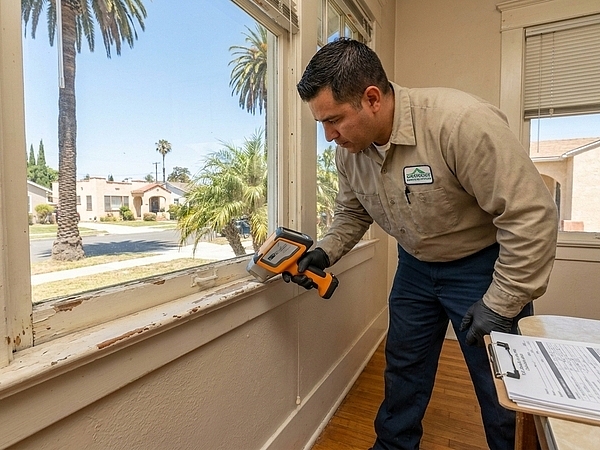
When Should Older Orange County Homes Be Tested for Lead Paint?
September 21, 2026
-
Should You Test Your Indoor Air After a Home Remodel in Anaheim?
September 7, 2026
-
-
-
Should Child Care Centers in Anaheim Test Their Water?
July 20, 2026