

When Indoor Air Testing Makes Sense for Orange County Homes
Most homeowners assume the air inside their house is cleaner than what's outside. That's not always true. In Orange County, where homes stay sealed tight to keep the heat out and the AC in, indoor pollutants can build up fast. You might not see them, but they're there—mold spores, VOCs, dust, pet dander, even radon in some pockets. And if you're not paying attention, those contaminants can mess with your health in ways that sneak up on you.
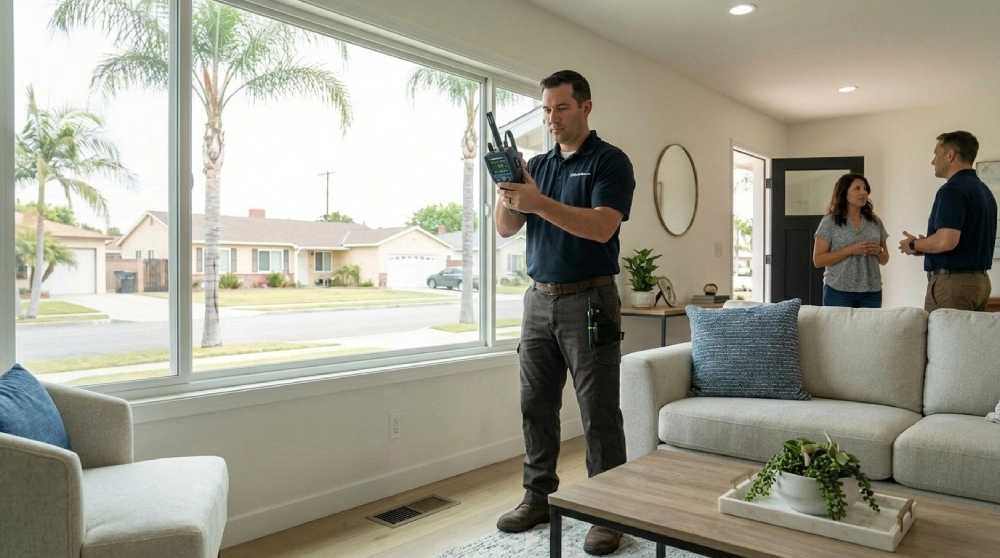
So when does it make sense to actually test your air? Not every home needs it. But if you're dealing with symptoms you can't explain, or you've had water damage, or you just finished a remodel, testing isn't overkill. It's smart. Because guessing about air quality is a gamble, and your lungs don't get a second chance.
Your Body Will Tell You Something's Wrong
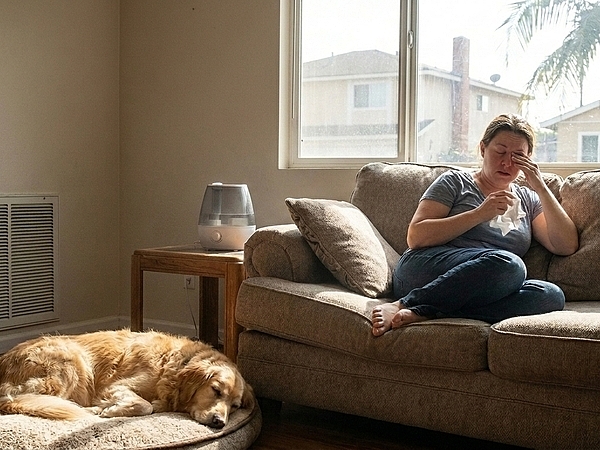
If you or someone in your household is coughing, sneezing, or dealing with headaches that vanish the moment you leave the house, that's not a coincidence. Indoor air problems don't always announce themselves with visible mold or a funky smell. Sometimes the only clue is how you feel. Kids, elderly family members, and anyone with asthma or allergies are especially vulnerable. Their systems react faster and harder to poor air quality.
Don't brush off symptoms just because they seem minor. Persistent fatigue, scratchy throat, watery eyes—these aren't things you should live with. And if multiple people in the home are experiencing the same issues, that's a red flag. Testing can pinpoint what's in the air and give you a clear path to fixing it. Professional allergen assessment services can identify specific triggers affecting your household.
Mold Doesn't Need an Invitation
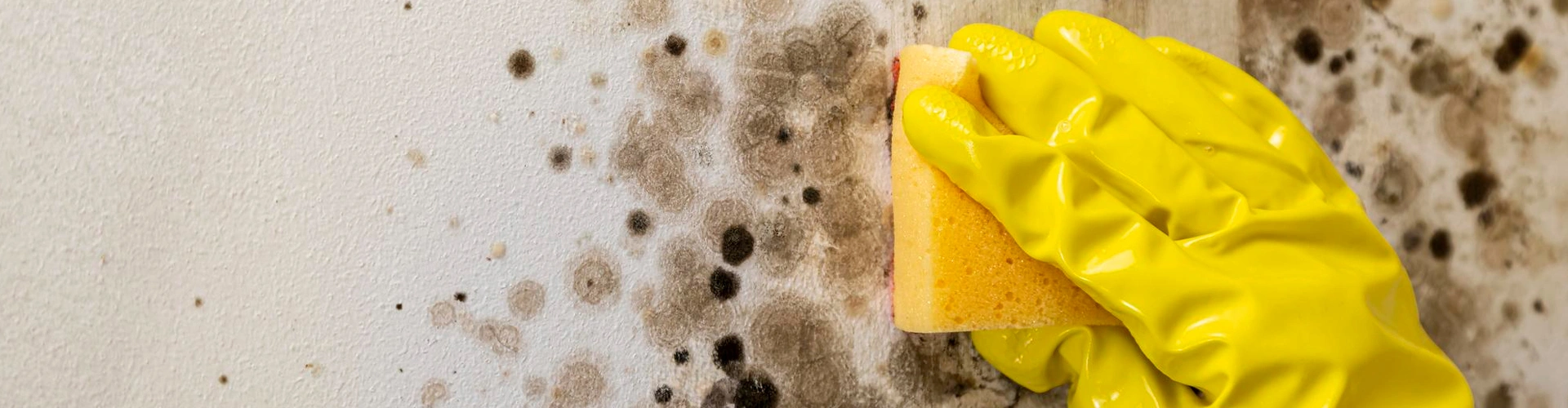
Orange County's climate is mild, but humidity and moisture still find their way in. A slow leak under the sink, condensation around windows, a bathroom fan that doesn't vent properly—any of these can create the perfect breeding ground for mold. And once mold takes hold, it releases spores into the air that you're breathing every day.
Visible mold is obvious. But hidden mold—behind walls, under flooring, in the attic—can be just as dangerous and twice as hard to detect. If you've had any water damage, even if it seemed minor at the time, mold inspection is worth it. Mold doesn't wait for permission to grow, and by the time you smell it, the problem is already serious.
Renovations and New Furniture Bring Hidden Risks
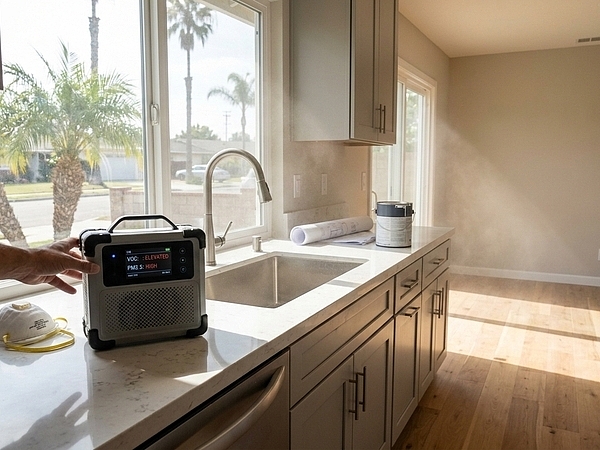
That fresh paint smell? Those brand-new cabinets? They're off-gassing chemicals into your home. Volatile organic compounds are released by paints, adhesives, flooring, and even some furniture finishes. In a tightly sealed home, those VOCs don't just disappear—they accumulate. And prolonged exposure can lead to dizziness, nausea, and respiratory irritation.
If you've recently completed a renovation or brought in new furnishings, air testing can tell you whether VOC levels are elevated. It's not about being paranoid. It's about knowing what you're breathing and making adjustments if needed. Sometimes all it takes is better ventilation or choosing low-VOC products going forward.
When Testing Should Be Part of the Transaction
Buying or selling a home in Orange County? Air quality testing can protect both sides of the deal. For buyers, it's a way to uncover hidden issues before closing. For sellers, it's proof that the home is safe and well-maintained. No one wants to move into a house only to discover mold in the HVAC system or elevated radon levels in the basement.
Real estate transactions move fast, but skipping air testing to save time can cost you later. If there's a problem, it's better to know upfront so it can be addressed before money changes hands. And if the air is clean, that's one less thing to worry about during an already stressful process.
Situations That Call for Testing
Not every home needs regular air testing, but certain scenarios make it a smart move. Here's when you should seriously consider it:
- Unexplained health symptoms that improve when you're away from home
- Visible mold growth or persistent musty odors you can't trace
- Recent water damage from leaks, flooding, or high humidity
- New construction, renovations, or freshly installed furnishings
- Buying or selling a property and want to verify air quality
What Orange County Homes Are Up Against
The pollutants you're likely to encounter depend on your home's age, location, and how it's maintained. Orange County homes face a mix of indoor and outdoor contaminants that can compromise air quality if left unchecked.
- Mold spores from moisture and poor ventilation
- Dust and pollen tracked in from outside
- VOCs from cleaning products, paints, and building materials
- Pet dander in homes with animals
- Radon, though less common, still present in some areas
How the Testing Process Works
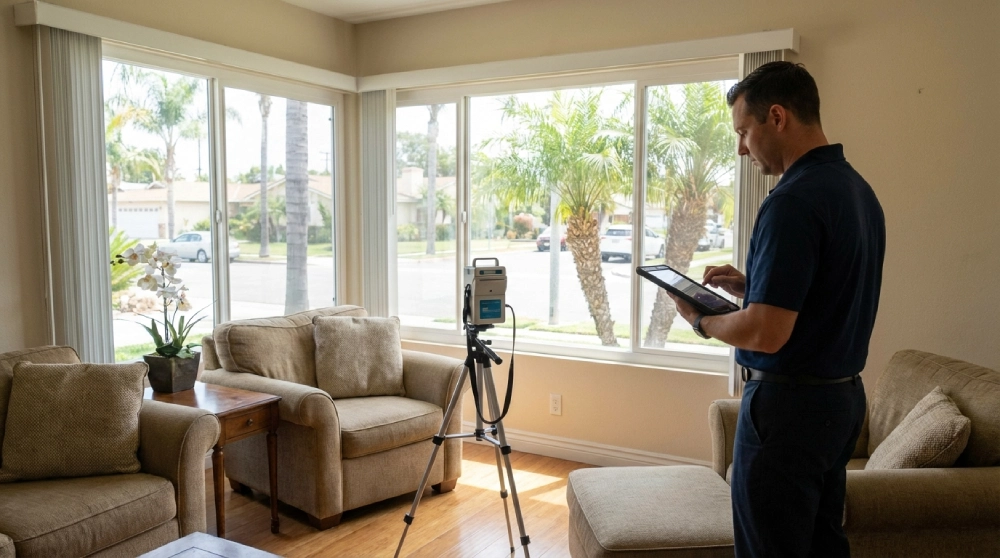
Professional air testing isn't invasive or disruptive. A technician will collect air samples from different areas of your home and send them to a lab for analysis. Depending on your concerns, tests can target specific pollutants like mold, allergens, or VOCs. The whole process usually takes a few hours, and results come back within a few days.
Once you have the data, a qualified professional can walk you through what it means and what steps to take next. Sometimes the fix is simple—better ventilation, a dehumidifier, or switching to low-VOC products. Other times, you might need mold remediation or HVAC cleaning. Either way, you'll know exactly what you're dealing with.
Steps You Can Take Right Now
If testing reveals issues, don't panic. Most air quality problems can be resolved without tearing your house apart. Start with the basics and build from there.
- Improve ventilation by opening windows and using exhaust fans
- Replace HVAC filters regularly with high-quality options
- Control humidity with dehumidifiers or better airflow
- Clean regularly to reduce dust and allergens
- Address water leaks and moisture problems immediately
When Professional Help Is Worth It
Some air quality issues require more than a DIY approach. If testing shows elevated mold levels, chemical contamination, or radon, you'll need a professional to handle remediation safely and effectively. Trying to tackle these problems on your own can make things worse or put your health at risk.
A qualified indoor air quality specialist can assess the situation, recommend solutions, and follow up to make sure the problem is actually solved. It's not just about passing a test—it's about creating a home environment that supports your health for the long haul. After remediation is complete, post-mold verification service ensures the problem has been fully resolved.
Common Pollutants You Can't Ignore
Certain contaminants show up more often in Orange County homes than others. Knowing what to watch for can help you stay ahead of problems before they escalate.
- Mold thrives in damp, poorly ventilated spaces
- Dust mites accumulate in bedding, carpets, and upholstery
- VOCs off-gas from paints, adhesives, and new materials
- Pet dander circulates through HVAC systems if not filtered properly
- Radon can seep into homes through cracks in foundations
Don't Wait for Symptoms to Get Worse
Air quality problems don't fix themselves. They get worse. Mold spreads. VOCs accumulate. Allergens build up. And the longer you wait, the harder and more expensive it becomes to address the issue. Testing gives you a baseline and a plan. It takes the guesswork out of the equation and lets you make decisions based on real data, not assumptions.
If you're on the fence about whether testing makes sense for your home, ask yourself this: would you rather know now, or find out later when the problem is bigger and the fix is costlier? The answer is usually pretty clear. Your home should be a place where you breathe easy—literally. And if it's not, particle assessment is the first step toward making that happen.
Breathe Easier with Confidence
We all want to feel safe and comfortable in our homes, and that starts with the air we breathe every day. If you're ready to take the guesswork out of your home's air quality, let's work together to find real solutions. Give us a call at 909-994-1893 or schedule service today to get started on making your Orange County home a healthier place for everyone.
‹ Back
Recent Posts
-
When Should Older Orange County Homes Be Tested for Lead Paint?
September 21, 2026
-
Should You Test Your Indoor Air After a Home Remodel in Anaheim?
September 7, 2026
-
-
-
Should Child Care Centers in Anaheim Test Their Water?
July 20, 2026