

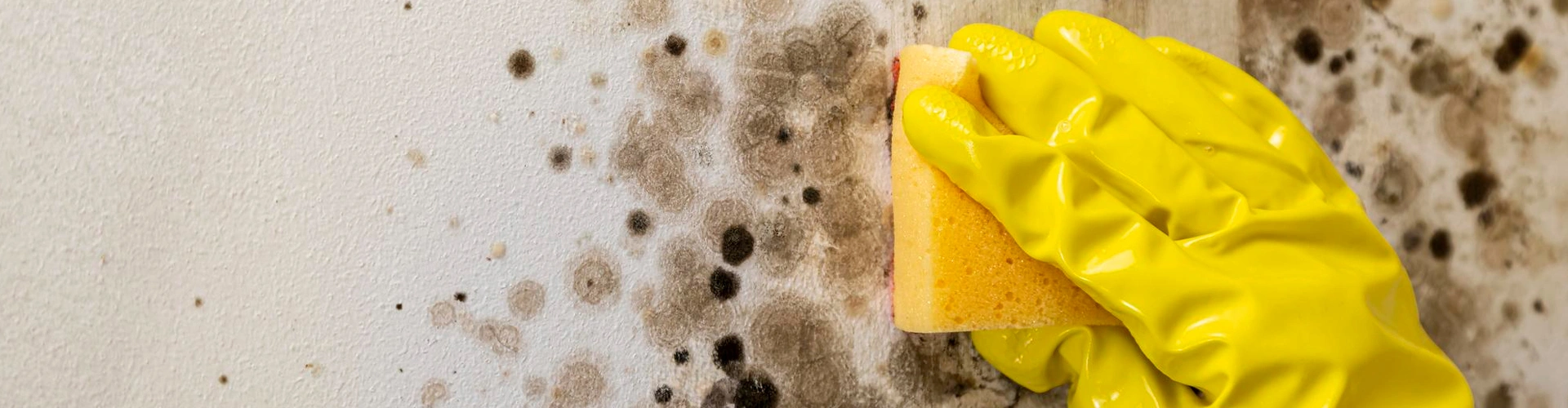
When Allergen and Bacteria Testing Is Worth Considering Inside Your Home
Most homeowners think air quality is just about opening a window. Fresh air in, stale air out. But the EPA sees more than that — and if you don't, you're asking for problems. Allergens and bacteria may not show up on your grocery list, but they do leave a footprint in your lungs. Especially if you're dealing with chronic symptoms or recent water damage.
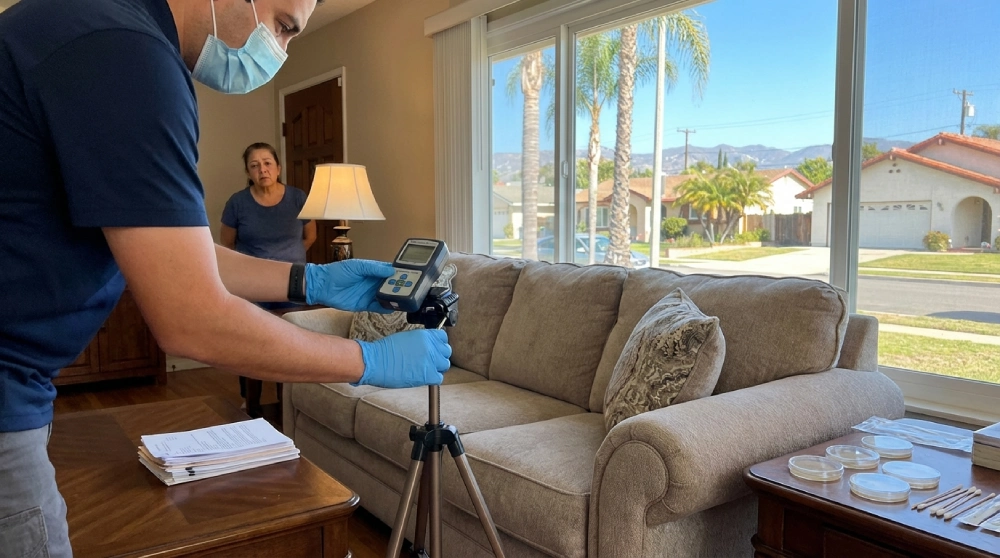
So here's the deal. If you're living in a space that's supposed to protect you, that's great. Just don't treat those invisible threats like they don't exist. Every symptom should have a source. Every test needs context. And every health decision should be grounded in what's actually floating around your home — not just what you can see with your eyes.
The Invisible Load Most People Ignore
Nine times out of ten, we assume our homes are clean because they look clean. You vacuum, you dust, you wipe down counters — that's maintenance, not elimination. The reality is that allergens and bacteria don't care how often you mop. They care about moisture, airflow, and whether conditions let them multiply.
But if someone in your house starts showing symptoms? Different story. Persistent coughing, unexplained rashes, or allergy flare-ups can point to contamination, especially if the triggers didn't exist before. We saw this play out in real time during the pandemic. Plenty of families thought surface cleaning was enough — it wasn't. And when bacteria or mold gets flagged by a doctor, bacteria testing services become the only way to confirm what you're actually dealing with.
When Testing Makes Sense
You can't fix what you can't identify — that's just guessing with expensive air purifiers. But professional testing? That's often the answer. Labs can pinpoint exactly what's in your air and on your surfaces when conditions warrant it.
Here's where that matters most:
- Chronic respiratory issues that won't quit, even with medication or lifestyle changes
- Water intrusion events like leaks, floods, or burst pipes that created damp conditions
- Visible mold growth that's been removed but symptoms persist anyway
- Homes with infants, elderly residents, or anyone with weakened immune systems
- Persistent musty odors that cleaning can't eliminate, suggesting hidden contamination
- Recent renovations that disturbed old materials or introduced new ones into your living space
What the Lab Actually Looks For
Want to understand your indoor environment? You'll need to prove what's there — and that means collecting samples the right way.
Testing companies have three main collection methods:
- Air sampling that captures airborne particles and spores circulating through your rooms
- Surface swabs that identify bacteria or mold colonies growing on walls, floors, or fixtures
- Bulk material analysis for items like insulation or drywall that may harbor hidden contamination
Skip one of those, and you might miss the source entirely. Even if symptoms are obvious in one room, contamination can spread through HVAC systems. And if any of the moisture went unaddressed? That portion's still feeding growth, even if you can't see it anymore.
The Results Tell You Where to Focus
If your home tests positive for elevated allergen or bacteria levels, there's a roadmap for what comes next. Labs don't just hand you numbers and walk away. They identify concentrations and compare them to safe thresholds.
You'll need to review the report and decide on action steps based on severity. Most households won't need full remediation — but those that do need to be strategic. Especially if they're dealing with black mold, staph bacteria, or allergen assessment counts that explain ongoing health complaints.
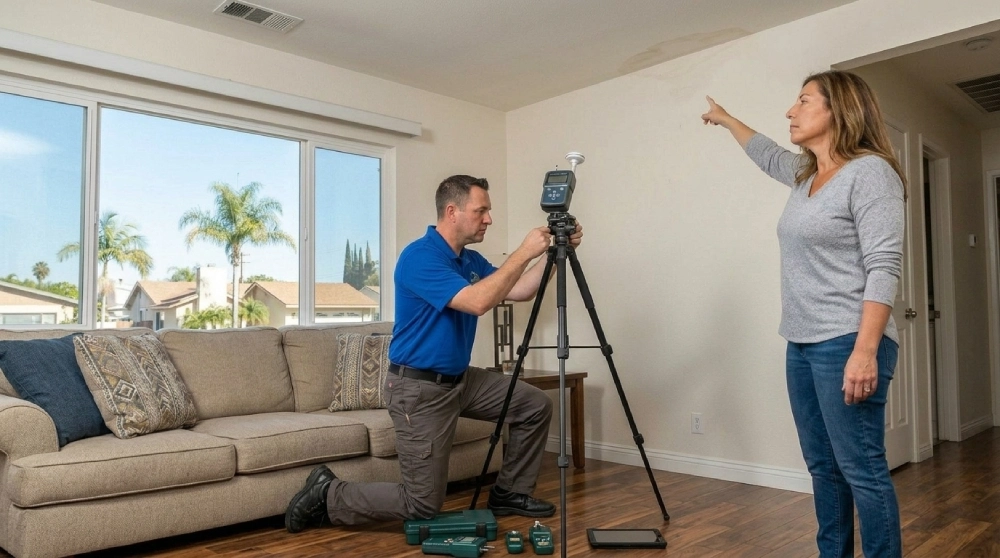
Your Health Strategy Is Only As Good As Your Follow-Through
Want to clear contamination? Show your work. You'll need more than a bottle of bleach and good intentions to back up your efforts.
Here's what your action plan should include:
- Professional remediation for mold or bacteria that exceeds safe levels
- HVAC cleaning and filter replacement to stop recirculation of contaminants
- Dehumidifiers or ventilation improvements to address moisture at the source
- Documentation of all testing, cleaning, and repairs for future reference or resale purposes
If symptoms come back, don't just assume it's seasonal allergies. Mixing assumptions with real health risks is one of the fastest ways to let a problem spiral. So if that cough you developed after the basement flooded keeps coming back, you'd better have a retest scheduled.
Where Most Homeowners Slip Up
Assuming Visible Cleaning Is Enough
Wiping down surfaces or running an air purifier won't eliminate embedded contamination. The testing companies won't find that clever. Surface-level fixes can mask symptoms temporarily or even create false confidence. Most homeowners play it safe by calling in professionals when symptoms persist — and plenty stay protected by addressing moisture issues before mold even starts.
Waiting Until Someone Gets Sick
Don't wait until a family member ends up at urgent care to investigate air quality. If you catch contamination early, you're preventing illness. If you ignore warning signs, you risk chronic exposure across your household. Test proactively when conditions change. It's not paranoid. It's smart.
Skipping Retesting After Remediation
If you paid for mold removal or deep cleaning, that's a critical checkpoint. If you didn't verify the work with post-mold verification service — or just assumed the problem was solved — labs may still detect elevated levels. Reference EPA guidelines and don't guess. That's what certified inspectors are for.
When to Call In a Pro
If your situation includes water damage assessment, unexplained illness, or vulnerable household members, you're in territory where DIY gets dangerous.
A testing professional helps you:
- Identify which contaminants are present and at what concentration levels
- Determine whether remediation is necessary or if improved ventilation will suffice
- Separate normal household dust from hazardous mold or bacterial colonies
- Handle lab coordination and results interpretation without confusion
- Keep your family safe with science-backed recommendations instead of guesswork
It's not just about feeling better this month. It's about setting up clean conditions that keep your household healthy and protected for the long haul. Professional mold inspection can identify hidden contamination before it becomes a serious health threat, and comprehensive inspection services provide the full picture of your indoor air quality.
Clean Air With a Clear Plan
Breathing easy isn't the hard part. Knowing what you're breathing — and fixing it when the data says otherwise — that's where households get caught off guard. There's no excuse for ignoring symptoms when the testing is available. But there's also no shortcut when contamination demands real action.
Let's Take the Next Step Toward a Healthier Home
We all want to feel confident that our homes are truly safe for our families. If you're ready to address hidden allergens or bacteria and want expert guidance every step of the way, let's connect and make your indoor air quality a priority. Call us at 909-994-1893 or schedule service today to get started on a cleaner, healthier living environment.
‹ Back
Recent Posts
-
When Should Older Orange County Homes Be Tested for Lead Paint?
September 21, 2026
-
Should You Test Your Indoor Air After a Home Remodel in Anaheim?
September 7, 2026
-
-
-
Should Child Care Centers in Anaheim Test Their Water?
July 20, 2026