
When Lead Paint Testing Is Recommended for Older Homes in Anaheim
Most homeowners think lead paint is just an old problem. Something that happened decades ago and doesn't matter anymore. But if your Anaheim home was built before 1978, that paint is still there — and it's still dangerous. Lead doesn't disappear on its own. It sits under layers of newer coats, waiting for the wrong kind of disturbance to turn it into dust. And once that happens, you're dealing with a health hazard that doesn't announce itself until the damage is done.
So here's the reality. If you're living in or buying an older property, testing isn't paranoia. It's due diligence. Every renovation should start with a clear answer about what's on those walls. Every peeling surface should raise a flag. And every decision about your home should be grounded in what's actually there — not what you hope isn't.
The Hazard Doesn't Age Out
Lead was standard in residential paint until the federal ban in 1978. That means any home built before that cutoff likely has it somewhere — trim, doors, window frames, walls. The paint itself isn't the immediate threat. It's when it breaks down that the risk kicks in. Chips fall. Dust settles. Kids touch surfaces, then their mouths. Adults breathe it in during projects they thought were harmless.
The health consequences aren't subtle. Children face developmental delays, learning problems, and behavioral issues. Adults deal with cardiovascular strain and kidney damage. And none of it shows up right away. By the time symptoms appear, exposure has already done its work. That's why lead-based paint testing matters before the problem becomes visible.
Renovation Without Testing Is a Gamble
Planning to remodel? Scrape a wall? Replace a window? If your home predates 1978, you need to know what you're disturbing. Sanding, scraping, or demolition can release lead dust into the air at levels that are dangerous for everyone in the house — and everyone working on it.
The EPA doesn't just recommend testing in these situations. They require certified contractors to follow lead-safe work practices if lead is present or assumed. Skipping the test doesn't exempt you from the rules. It just leaves you guessing. And if you guess wrong, you're exposing your family and potentially facing fines or liability.
Visible Damage Means Invisible Risk
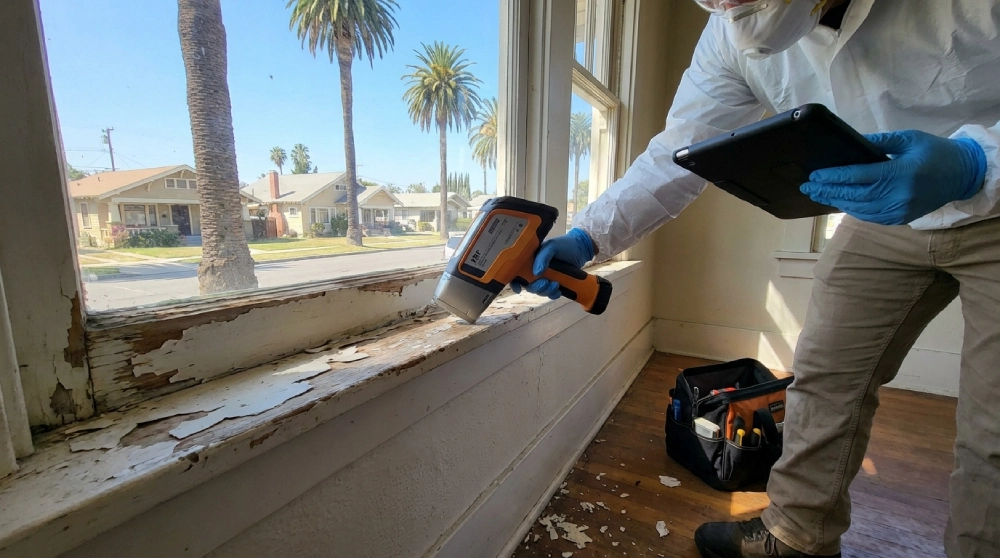
Peeling paint isn't just an eyesore. It's a red flag. When lead-based paint deteriorates, it creates dust and chips that settle on floors, windowsills, and furniture. High-traffic areas and friction points — like doors and windows — are the worst offenders.
If you see cracking, chipping, or flaking paint in an older home, don't wait to address it. Testing will tell you whether you're dealing with lead, and that answer determines how you handle the cleanup. Treating it like regular paint can make the problem worse. Treating it like lead when it's not wastes time and money. Testing removes the guesswork.
Buying or Renting Means Asking Questions
California law requires sellers and landlords to disclose known lead paint hazards in pre-1978 homes. But disclosure doesn't mean testing. If the current owner never tested, they may not know — and that lack of knowledge doesn't protect you.
Smart buyers and renters request testing as part of the inspection process. It's not about distrust. It's about information. If lead is present, you can negotiate repairs, plan for abatement, or walk away. If it's not, you move forward with confidence. Either way, you're making decisions based on facts, not assumptions.
Vulnerable Residents Raise the Stakes
Young children and pregnant women are the most at risk for lead exposure. Their bodies absorb lead more easily, and the effects are more severe. If your household includes toddlers, infants, or expectant mothers, testing isn't optional — it's essential.
Even if the paint looks fine, lead dust can accumulate in places you don't see. Windowsills, door frames, and baseboards are common hotspots. A professional test will identify problem areas and give you a clear path forward. Waiting until someone shows symptoms is too late.
Water Damage Accelerates Deterioration
Flooding, leaks, and moisture don't just ruin drywall. They break down paint faster, increasing the likelihood that lead will become airborne or accessible. If your older Anaheim home has experienced water damage assessment, testing should be part of your recovery plan.
Moisture weakens paint adhesion, causing it to peel and flake. If that paint contains lead, you're now dealing with a compounded problem. Address the water issue, but don't ignore what it may have exposed. Testing gives you the full picture so you can remediate safely.
Professional Testing Beats Guesswork
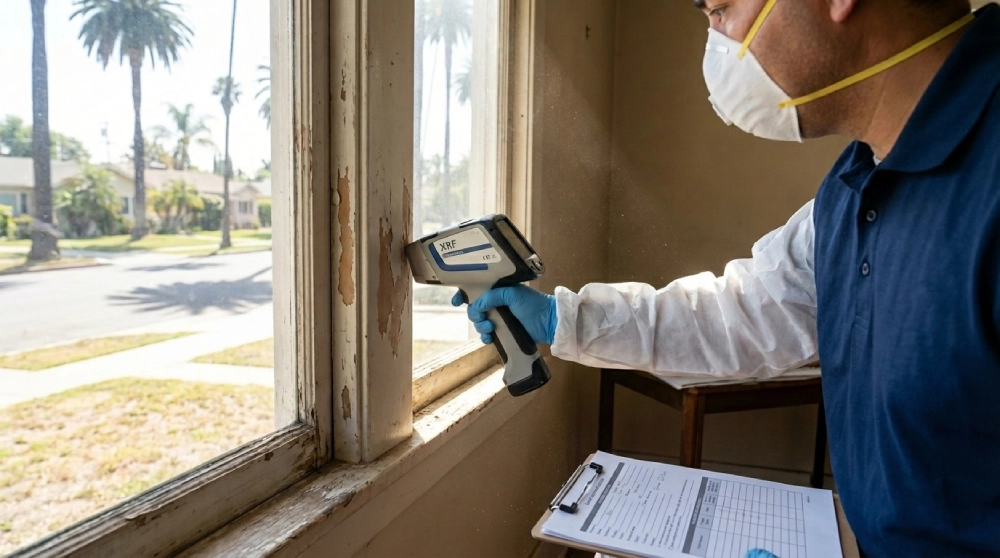
Home test kits exist, but they're not reliable for comprehensive assessments. Certified professionals use X-ray fluorescence analyzers or lab analysis to detect lead with accuracy. XRF testing is non-destructive and provides instant results. Lab testing involves sampling and takes longer, but it's thorough.
Hiring a certified inspector isn't just about getting an answer. It's about getting the right answer. If lead is present, they'll document where it is, how much there is, and what condition it's in. That information drives your next steps — whether that's encapsulation, removal, or ongoing monitoring.
Legal Obligations Don't Replace Smart Choices
Sellers and landlords in California must disclose known lead hazards, but they're not required to test unless renovation work is planned. That means you could move into a home with lead paint and never be told — simply because no one checked.
If you're buying, selling, or renting an older property, request testing. It protects you legally and practically. For sellers, it can prevent future disputes. For buyers and renters, it ensures you're not inheriting a hidden liability. And for everyone, it's a layer of protection that costs far less than the alternative.
When Testing Should Happen
There's no single moment when testing becomes necessary. It's situational. But there are clear triggers that should prompt action. Ignoring them doesn't make the risk go away. It just delays the inevitable.
- Before any renovation, remodeling, or repair work that disturbs painted surfaces
- When paint is visibly peeling, chipping, or cracking in any part of the home
- Before purchasing or renting a home built before 1978
- If young children or pregnant women live in or frequently visit the home
- After flooding, leaks, or other water damage that may have compromised painted surfaces
What Happens After a Positive Test
If lead is detected, you have options. Encapsulation seals the lead paint under a protective coating. Enclosure covers it with new materials like drywall. Removal strips it entirely, but that's the most invasive and expensive route. The right choice depends on the location, condition, and extent of the lead paint.
Whatever method you choose, it must be done by certified professionals following EPA guidelines. DIY lead abatement is illegal in many cases and dangerous in all of them. The goal isn't just to get rid of the lead — it's to do it without spreading contamination or creating new hazards.
Documentation Protects You Down the Line
Once testing is complete, keep the records. If you sell the home, you'll need to disclose the results. If you rent it out, tenants have a right to know. And if you ever face a dispute or health claim, documentation proves you acted responsibly.
- The original test report with dates, locations, and results
- Certificates from any abatement or remediation work performed
- Receipts and contracts from certified contractors
- Photos of problem areas before and after treatment
- Any correspondence with tenants, buyers, or inspectors regarding lead paint
Testing Costs Less Than the Alternative
Professional lead paint inspection in Anaheim typically runs a few hundred dollars, depending on the size of the home and the number of surfaces tested. That's a fraction of what you'd pay for medical bills, legal fees, or emergency abatement after a problem is discovered the hard way.
Some homeowners balk at the upfront cost. But compare that to the price of treating lead poisoning, defending a lawsuit, or losing a sale because you couldn't answer a buyer's questions. Testing is an investment in safety, compliance, and peace of mind. It's not an expense — it's insurance.
Protecting What Matters Most
Lead paint testing isn't about fear. It's about control. You can't fix what you don't know about, and you can't protect your family from a hazard you're pretending doesn't exist. Older homes in Anaheim have character, history, and value — but they also have risks that need to be managed, not ignored.
Testing gives you clarity. It tells you where the danger is, how serious it is, and what you need to do about it. From there, you can make informed decisions that keep your home safe, your investment sound, and your conscience clear. Understanding how water damage affects indoor air quality and recognizing when asbestos testing in Orange County is necessary are equally important steps in maintaining a healthy home environment. For comprehensive support with environmental hazards, explore our services to ensure your property is thoroughly evaluated and protected.
Let’s Make Your Home Safer Together
We all want peace of mind when it comes to our families and our homes. If you’re ready to take the next step toward a safer, healthier living space, let’s talk about your options for lead paint testing and remediation. Give us a call at 909-994-1893 or schedule service today to get started with a team that puts your safety first.
‹ Back
Recent Posts
-
Could Hidden Bacteria Be Lurking in Your Anaheim Home?
October 5, 2026
-
When Should Older Orange County Homes Be Tested for Lead Paint?
September 21, 2026
-
Should You Test Your Indoor Air After a Home Remodel in Anaheim?
September 7, 2026
-
-